As an international wholesale buyer, sourcing furniture from Indonesia involves navigating a comprehensive export workflow. Understanding the intricacies of SVLK legality, production timelines, and shipping logistics is crucial. This guide provides an in-depth look at the process, ensuring a smooth import experience from Indonesia’s renowned furniture hubs.
SVLK V-Legal Legality and Certification
Indonesia’s mandatory SVLK (Sistem Verifikasi Legalitas Kayu) certification is essential for importing furniture. This Timber Legality Assurance System ensures that all wood products are legally harvested and traceable. Export consignments must include a V-Legal Document, which is valid for three years with annual surveillance. SVLK is the foundation of Indonesia’s FLEGT partnership with the EU, providing strong legality evidence for buyers under the EU Deforestation Regulation and the US Lacey Act. While FSC certification is an optional addition, SVLK focuses solely on legality, not sustainability. Importers retain their due-diligence obligations, making SVLK compliance a vital step in the import process.
Quote-to-Order Process
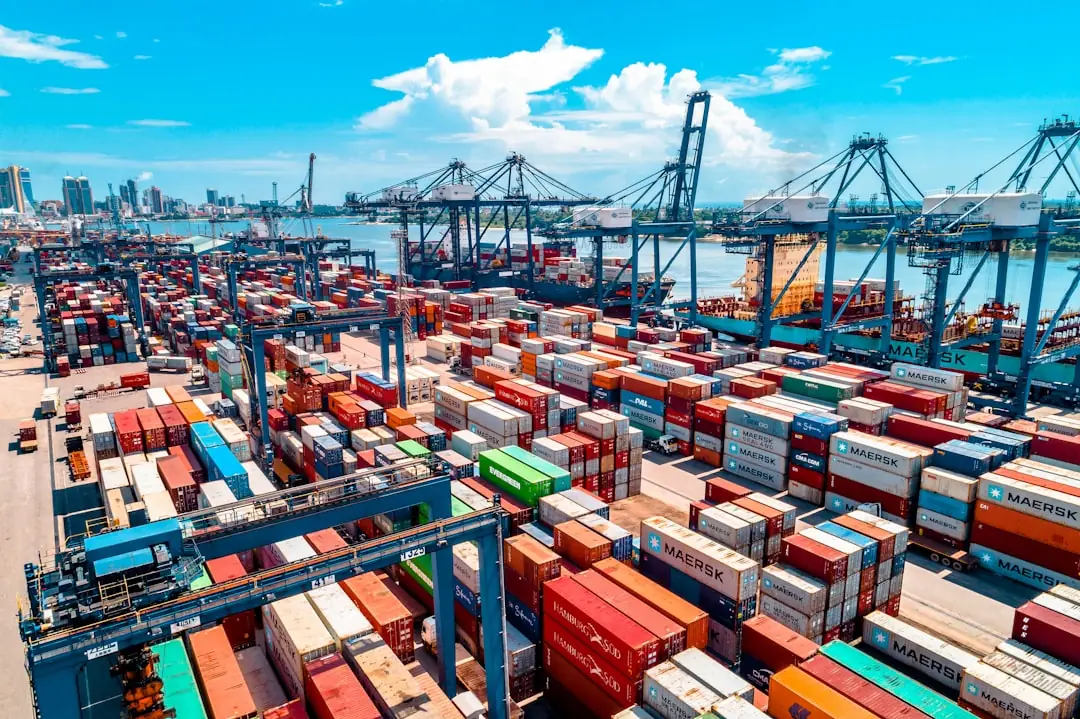
The journey from quote to order begins with an understanding of pricing and material selection. Prices are quoted per order, influenced by material types such as solid teak, mahogany, and rattan, and factors like grade, spec, finish, and volume. Importers are encouraged to request a quote for precise pricing. Minimum order quantities (MOQ) typically range from 5-20 pieces for solid-wood furniture and 10-30 pieces for woven items. The minimum order usually fills a 20ft container, approximately 25-28 CBM. Mixed-model and mixed-material containers are common, provided each item meets its MOQ and the total load meets the minimum CBM requirement.
Deposit and Payment Terms
Payment terms are a crucial aspect of the import process. Typically, a deposit of approximately 30-50% by T/T (bank transfer) initiates production. The remaining balance is due against a copy of the Bill of Lading (B/L). These terms are often negotiable for repeat buyers, providing flexibility in financial arrangements. It’s important to confirm payment specifics per order to ensure a smooth transaction. Understanding these terms is vital for maintaining a smooth cash flow and ensuring timely production starts.
Production Lead Time

Production lead times for Indonesian furniture typically range from 30-60 days, depending on the order size and finishing requirements. This timeline is crucial for planning your inventory and aligning with market demands. Sea-freight transit to major markets such as the US, EU, and Australia takes approximately 3-5 weeks, though this varies by route and season. It’s essential to confirm current schedules to avoid delays. Shorter transit times are generally expected for shipments to the Middle East and Asia.
Quality Control and Export Packing
Quality control is a critical component of the export process. Indonesian manufacturers offer pre-production samples to ensure the finished product meets buyer specifications. Export packing is meticulously planned to protect furniture during transit. Mixed containers must adhere to strict loading guidelines to prevent damage. Understanding these processes helps maintain product integrity and ensures that goods arrive in optimal condition. Regular communication with suppliers can enhance quality control efforts and address any concerns promptly.
Material Grades and Finishes
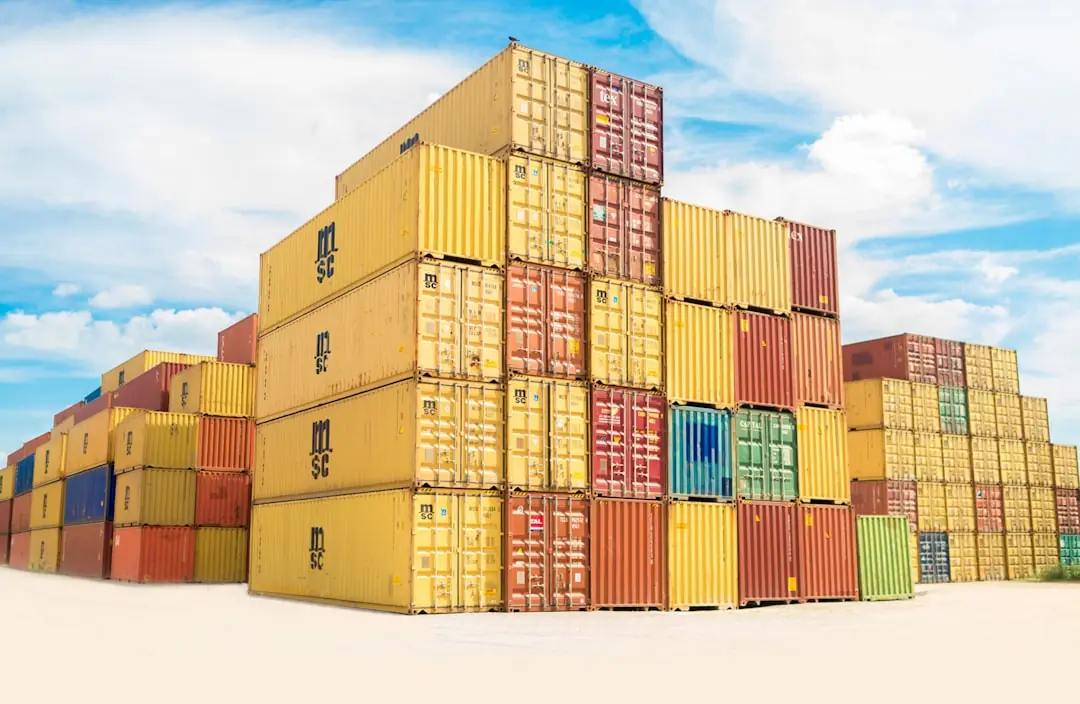
Understanding the nuances of material grades and finishes is essential for buyers seeking to source premium Indonesian furniture. Wood grades in Indonesia are typically categorized based on grain consistency, color, and density. Solid teak, for instance, is available in grades A, B, and C, with grade A being the most uniform and free from knots. Each grade offers different aesthetic and structural qualities, affecting both price and application. Additionally, finishes such as natural, stained, or painted can transform the aesthetic of the furniture. Natural finishes highlight the wood’s inherent beauty, while stains can provide a range of colors to match specific design requirements. Custom finishes are often available, allowing buyers to tailor products to their market preferences.
Minimum Order Quantity (MOQ) Tiers
Understanding MOQ tiers is crucial for optimizing your sourcing strategy. Indonesian furniture manufacturers typically offer different MOQ tiers based on product type and material. For instance, high-end solid wood pieces might require a lower MOQ due to their higher price point, whereas more affordable rattan items may necessitate a larger order to achieve cost efficiency. Some suppliers offer tiered pricing based on order volume, providing cost benefits for larger purchases. This tiered approach allows buyers to strategically plan their orders based on budget, storage capacity, and demand forecasts. Negotiating MOQs can also sometimes lead to favorable terms, especially for long-term partners or those placing repeat orders.
Container Loading and Shipping
Efficient container loading is essential for optimizing shipping costs. A typical 20ft container holds approximately 28 CBM, while a 40ft container accommodates 58 CBM. A 40ft High Cube (40HQ) can hold up to 68 CBM. Bulky items like upholstered furniture may fill the volume before reaching weight limits, whereas denser knock-down items may hit weight limits first. The primary export ports in Indonesia are Tanjung Perak (Surabaya), Tanjung Emas (Semarang), and Benoa (Bali). FOB is the most common Incoterm, where the seller handles export clearance and loading, while the buyer arranges sea freight and insurance.
Key Furniture Materials and Hubs
Indonesia is renowned for its diverse range of furniture materials. Key materials include solid teak, mahogany, suar/acacia, and various types of rattan. Reclaimed teak from Jepara, Central Java, is particularly sought after for its durability and aesthetic appeal. Bali is recognized for design-led contemporary pieces, including outdoor furniture. Understanding material properties and sourcing from specific hubs like Jepara ensures access to high-quality products. For detailed material insights, explore our teak furniture exporter page.
Quality Assurance and Certification
Ensuring quality assurance and certification compliance is paramount for international buyers. In addition to SVLK, many manufacturers also adhere to ISO standards, which cover various aspects of production, including environmental management and occupational safety. ISO 9001 certification, for instance, signifies a commitment to consistent quality management practices. Buyers should verify these certifications to ensure the supplier’s commitment to quality and compliance with international standards. Regular audits and inspections can further safeguard product quality, ensuring that each shipment meets the buyer’s expectations and market standards.
Contact and Request a Quote
To begin the import process, contact us at our contact page or via WhatsApp at +62 811-3941-4563. We encourage potential buyers to request a quote, providing details on material preferences, order sizes, and any specific requirements. Our team is committed to providing precise, transparent information to facilitate your sourcing needs. Visit our wholesale furniture page for more insights into our offerings and to start your Request for Quote (RFQ) process.