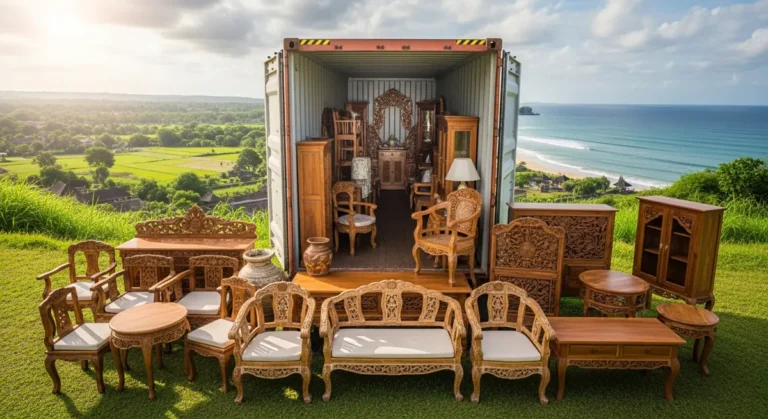
Navigating 2027 Furniture Exports from Bali: Essential Strategies for Success
As 2027 unfolds, furniture exporters in Bali face a dynamic global market. Remaining competitive requires more than just beautiful products; it demands strategic planning across logistics, compliance, and market adaptation. This guide offers actionable insights for optimising your export operations this year.
Bali’s reputation for handcrafted furniture continues to attract international buyers. However, the intricacies of exporting have grown significantly. From fluctuating shipping costs to evolving international regulations, successful exporting in 2027 means staying informed and agile. Our focus this year at balifurnitureexporter.com is to empower our partners with the knowledge and resources to thrive in this complex environment.
Understanding the 2027 Global Market Landscape
The global furniture market in 2027 is characterised by several key trends. Sustainability remains a primary concern for consumers, influencing purchasing decisions and demanding eco-friendly production methods and materials. Buyers are increasingly scrutinising supply chains, favouring transparency and ethical sourcing. Furthermore, the rise of e-commerce continues to reshape distribution channels, requiring exporters to consider direct-to-consumer models or robust B2B online platforms.
Economic shifts in major importing regions, such as Europe and North America, also play a significant role. Interest rate changes, inflation, and consumer confidence directly impact demand for imported goods. Exporters must monitor these indicators closely to adjust production volumes and marketing strategies accordingly. Diversifying your market reach beyond traditional strongholds could offer resilience against regional economic downturns.
Optimising Your Supply Chain for Efficiency and Resilience
A robust and efficient supply chain is the backbone of any successful export operation. In 2027, this means not only cost-effectiveness but also resilience against disruptions. The past few years have highlighted the vulnerability of global supply chains to unforeseen events, from natural disasters to geopolitical tensions. Proactive measures are essential.
- Supplier Relationship Management: Cultivate strong, transparent relationships with your raw material suppliers. Understand their capacity, lead times, and any potential vulnerabilities. Consider having backup suppliers for critical components.
- Production Planning: Implement flexible production schedules that can adapt to sudden changes in demand or supply. Lean manufacturing principles can help minimise waste and improve efficiency.
- Logistics Partnerships: Choose freight forwarders and shipping lines with proven track records for reliability, communication, and competitive pricing. Review contracts regularly to ensure they meet your evolving needs.
- Inventory Management: Strike a balance between maintaining sufficient stock to meet orders and avoiding excessive inventory, which ties up capital and incurs storage costs. Utilise inventory management software to gain real-time insights.
Navigating Customs and Compliance in 2027
One of the most critical and often challenging aspects of furniture export from Bali is navigating customs procedures and ensuring compliance with international trade regulations. Errors or delays in this area can lead to significant financial penalties, extended transit times, and damage to your business reputation. The regulatory landscape is constantly evolving, with new tariffs, product standards, and documentation requirements emerging regularly.
For exporters dealing with the complexities of Indonesian customs, and the varying import regulations of destination countries, a reliable partner is not merely beneficial; it is essential. This is where specialist knowledge becomes invaluable. Engaging with experienced professionals can streamline your operations, ensuring all paperwork is accurate, duties are correctly calculated, and shipments clear customs without incident. We routinely recommend that our partners work with a dedicated firm for bali customs clearance to manage these intricate processes. Their expertise can prevent costly mistakes and allow you to focus on your core business of creating and selling beautiful furniture.
Sustainability and Ethical Practices: A Competitive Edge
As mentioned, sustainability is no longer a niche concern but a mainstream expectation. For Bali furniture exporters, demonstrating a commitment to environmental and social responsibility can be a significant competitive advantage. This includes sourcing timber from certified sustainable forests, utilising eco-friendly finishes and packaging, and ensuring fair labour practices throughout your production process.
Consider obtaining relevant certifications, such as FSC (Forest Stewardship Council) for timber, which provides independent verification of your sustainable practices. Transparently communicating your sustainability efforts to buyers can build trust and enhance your brand’s appeal in a crowded market. Ethical practices also extend to ensuring safe working conditions and fair wages for artisans, reflecting the true value of their craftsmanship.
Embracing Digitalisation for Market Expansion
The digital transformation continues to reshape how businesses operate and reach customers. For Bali furniture exporters, embracing digitalisation can unlock new markets and improve operational efficiency. This includes:
- Professional Online Presence: A well-designed, mobile-responsive website showcasing your products with high-quality photography and detailed descriptions is fundamental.
- E-commerce Platforms: Explore B2B and B2C e-commerce platforms to expand your reach beyond traditional importers and wholesalers.
- Digital Marketing: Utilise social media, search engine optimisation (SEO), and targeted online advertising to reach potential buyers in key markets.
- Data Analytics: Leverage data from your website and sales channels to understand customer behaviour, identify trends, and refine your product offerings and marketing strategies.
Q: How can I mitigate the impact of fluctuating shipping costs in 2027?
A: To mitigate fluctuating shipping costs, consider several strategies. Firstly, engage in longer-term contracts with reputable freight forwarders where possible, which can offer more stable rates. Secondly, explore different shipping routes and carriers to compare prices and lead times regularly. Consolidating shipments or exploring less-than-container-load (LCL) options for smaller orders can also be cost-effective. Finally, factor potential shipping cost variances into your pricing models to avoid unexpected profit erosion.
Q: What are the primary documentation requirements for exporting furniture from Bali?
A: The primary documentation requirements for exporting furniture from Bali typically include a commercial invoice, packing list, bill of lading (for sea freight) or air waybill (for air freight), certificate of origin, and potentially a fumigation certificate for wooden items. Depending on the destination country and the specific product, additional permits or certificates (e.g., CITES permit for endangered wood species) may be necessary. Always confirm specific requirements with your customs broker or freight forwarder before shipment.