Furniture Container Loading: 20ft, 40ft & 40HQ CBM Guide
As an international buyer sourcing furniture from Indonesia, understanding container capacities is crucial for optimizing shipments. With a strong foundation in teak, rattan, and other premium materials, Indonesia offers diverse options for your wholesale needs. This guide provides detailed insights into how much furniture fits into a 40ft container, emphasizing the importance of precise volume calculations and strategic planning for your procurement process.
Understanding Container Capacities
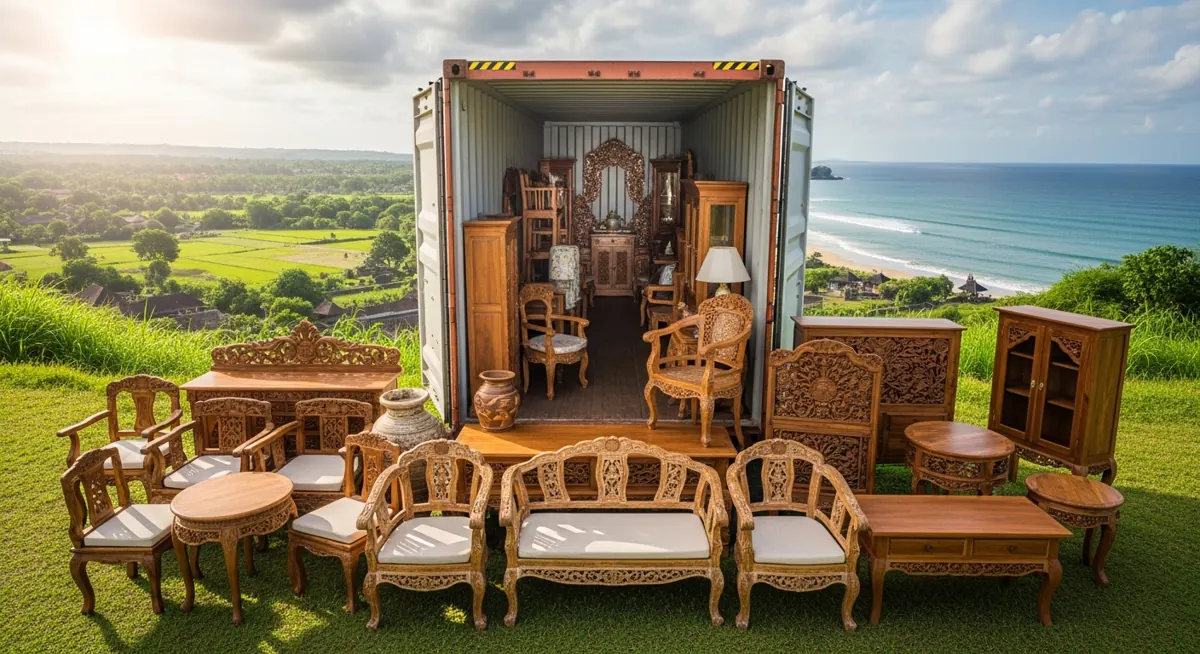
When planning to ship furniture, knowing the container’s capacity is essential. A standard 40ft container offers approximately 58 CBM of usable space. This measurement is crucial for determining how much furniture you can fit, especially when dealing with bulky or irregular items. For a comprehensive shipping process, understanding these dimensions helps optimize load efficiency and cost-effectiveness.
Different furniture types will affect how you utilize this space. For example, flat-pack or knock-down furniture can maximize the use of available CBM, often reaching weight limits before volume limits. In contrast, upholstered pieces may fill the volume quickly due to their bulk. Knowing these factors allows for better planning and ensures that each shipment is as efficient as possible. Remember, the exact capacity can vary based on specific furniture dimensions and configurations.
Impact of Upholstered Furniture on Container Volume
Upholstered furniture presents unique challenges in container loading due to its bulk. These pieces often “cube out” before reaching the weight limit of a 40ft container. For instance, a large sofa or armchair occupies significant volume, reducing the overall number of pieces that can be shipped. On average, upholstered items can fill up a container more quickly than solid wood or knock-down pieces.
To effectively manage this, precise measurements and strategic planning are necessary. Consider the dimensions and shape of each piece and how it will fit within the available space. Additionally, using appropriate packing materials and methods can help maximize efficiency. For more detailed strategies, explore our MOQ guidelines which can assist in planning your shipments effectively.
Estimating Piece Counts for a 40ft Container
Estimating the number of pieces that fit into a 40ft container requires careful consideration of several factors. Begin with the CBM of the container, approximately 58 CBM, and then calculate the space each piece occupies. For solid wood furniture, which is often denser, you might reach the weight limit before the volume. Conversely, lighter items like rattan furniture may allow for more pieces.
Consider the type of furniture and its packing requirements. For instance, a combination of solid wood tables and upholstered chairs will cube out differently than a full load of rattan chairs. Mixed loads are common practice, but each piece must meet its per-item MOQ and the load its minimum CBM. For more insights, our Bali wholesale furniture page provides additional context on mixed loads and sourcing strategies.
Key Materials in Indonesian Furniture
- Teak: Known for its durability and aesthetic appeal, sourced primarily from Jepara.
- Rattan: Lightweight and flexible, ideal for both indoor and outdoor settings.
- Mahogany: Offers a rich, deep color, suitable for fine furniture.
- Suar/Acacia: Popular for live-edge designs, offering a natural, rustic look.
- Recycled Teak: Sustainable option, maintaining the strength and beauty of new teak.
- Synthetic Rattan: All-weather durability, perfect for outdoor furniture.
Each material has distinct characteristics and benefits, influencing the choice for different furniture types. For more on materials, visit Wikipedia on teak and rattan.
Minimum Order Quantities (MOQ) and Their Importance
Understanding the concept of MOQ is vital for efficient purchasing and shipping. Typically, per-item MOQs range from 5-20 pieces for solid-wood furniture and 10-30 pieces for woven or rattan items. The minimum order is generally one 20ft container, with a capacity of about 25-28 CBM. This ensures that production and shipping are cost-effective for both buyer and supplier.
MOQs help manufacturers maintain consistent quality and production efficiency. They also provide buyers with the necessary volume to justify shipping costs. Mixed-model and mixed-material containers are a standard practice, allowing flexibility while adhering to MOQ requirements. For a deeper understanding, our MOQ guide is an excellent resource.
Understanding Incoterms and Lead Times
In international trade, Incoterms define the responsibilities of buyers and sellers. The most common term for furniture export is FOB (Free On Board), where the seller handles export clearance and loading at the Indonesian port. Buyers typically book sea freight and insurance. CFR/CNF and CIF terms are also available, offering different levels of responsibility sharing.
Lead times for production are approximately 30-60 days, depending on order size and finish. Sea-freight transit times are about 3-5 weeks to major markets like the US, EU, and Australia. These times can vary based on routes and seasons, so it’s advisable to confirm current schedules. For more detailed steps, refer to our shipping process page.
Certifications and Legal Compliance
Compliance with legal and sustainability standards is non-negotiable in furniture export. Indonesia mandates the SVLK (Sistem Verifikasi Legalitas Kayu) certification for all wood-product exporters, ensuring the legality and traceability of timber. This certification supports buyers’ due diligence under regulations like the EU Deforestation Regulation and the US Lacey Act.
While SVLK focuses on legality, additional certifications like FSC can be pursued for further sustainability assurance. For more information on SVLK, visit silk.menlhk.go.id. Ensuring compliance with these standards builds trust and credibility with international buyers, making it a critical aspect of the sourcing process.
Quality Control and Assurance
Quality control is a critical component in the furniture export business. Indonesian manufacturers implement rigorous quality checks at various stages of production to ensure each piece meets international standards. This process begins with raw material selection, where only top-grade teak, rattan, and other materials are chosen. During production, skilled artisans craft each piece with precision, maintaining the craftsmanship that Indonesian furniture is renowned for.
Post-production, each item undergoes detailed inspections for structural integrity, finish quality, and adherence to design specifications. Consistent quality assurance protocols ensure that buyers receive products that meet their expectations and requirements. For further assurance, third-party inspections can be arranged, providing an additional layer of quality verification. This meticulous approach to quality control helps mitigate risks associated with international trade and strengthens buyer confidence in Indonesian products.
Packing and Shipping Methods
Effective packing and shipping methods are essential to ensure that furniture arrives in pristine condition. Indonesian exporters use advanced packing techniques to safeguard items during transit. Furniture is often packed using high-density foam, corrugated cartons, and wooden crates to provide maximum protection against damage. For fragile items, additional padding is used to minimize movement within the packaging.
Container loading is done with precision to optimize space utilization while preventing shifting and damage. Proper packing not only protects the products but also helps in efficient space management, allowing buyers to maximize their investment in shipping costs. Additionally, exporters can offer customized packing solutions based on specific buyer requirements or the nature of the furniture. This attention to detail in packing and shipping ensures that products maintain their quality from the factory to the buyer’s destination.
For tailored solutions and precise quotes, we invite you to contact us directly. Our team is ready to assist with your specific needs and provide a detailed Request for Quote (RFQ) tailored to your requirements.