Indonesian Furniture Trade Shows & Sourcing Trips (IFEX)
As an international wholesale buyer, sourcing furniture from Indonesia provides a strategic advantage by leveraging the country’s rich material resources and skilled craftsmanship. The Indonesia International Furniture Expo (IFEX) is a pivotal event in the furniture industry, offering a comprehensive overview of the latest trends and innovations. By combining attendance at IFEX with targeted factory visits in key hubs like Jepara and Bali, buyers can optimize their sourcing strategy, ensuring they select the best partners and products for their markets.
Understanding the Role of IFEX in Furniture Sourcing
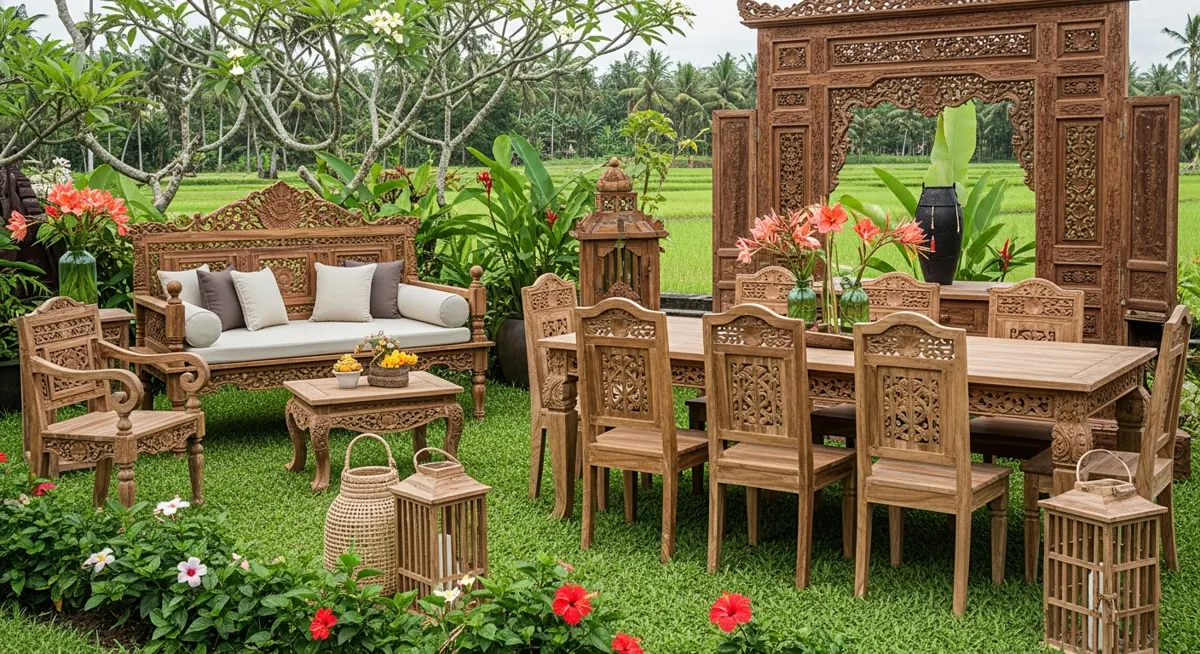
IFEX serves as a critical platform for buyers to explore a wide array of Indonesian furniture products, ranging from traditional teak and mahogany pieces to contemporary rattan and outdoor designs. Held annually, IFEX showcases the capabilities of Indonesian manufacturers and provides insights into current market trends. The expo is a valuable opportunity for buyers to engage directly with suppliers, assess product quality, and negotiate terms. Buyers can compare offerings from various vendors under one roof, streamlining the decision-making process. With a focus on sustainable and legally sourced materials, IFEX also highlights Indonesia’s commitment to the SVLK certification system, which assures the legality of timber products. This certification is crucial for compliance with international regulations such as the EU Deforestation Regulation and the US Lacey Act. For more on SVLK, visit silk.menlhk.go.id.
Maximizing Factory Visits in Jepara and Bali
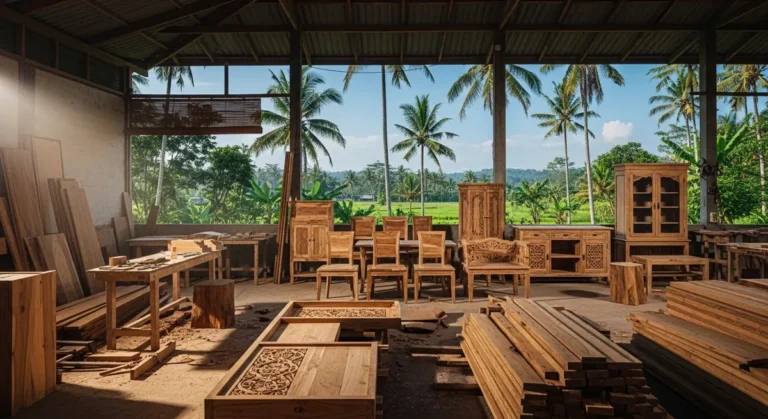
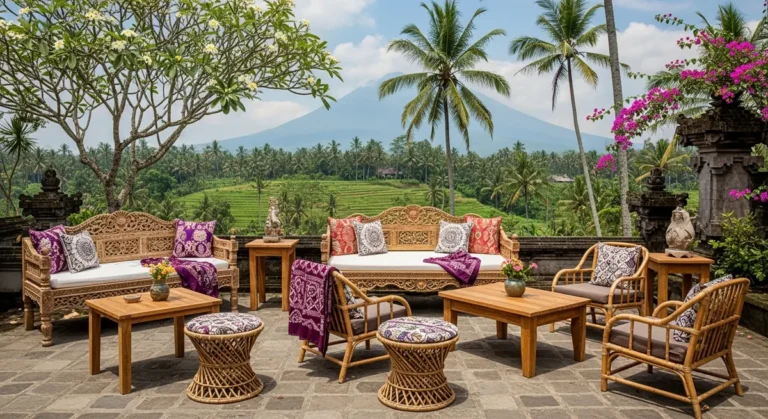
After attending IFEX, buyers should consider factory visits in Jepara and Bali to gain deeper insights into production processes and capabilities. Jepara is renowned for its expertise in teak and carved furniture, offering both solid and reclaimed teak options. Bali, on the other hand, excels in design-led contemporary and outdoor pieces, utilizing materials like synthetic rattan and terrazzo. Factory visits allow buyers to verify the quality of materials and craftsmanship firsthand. Engaging with factory managers and artisans provides transparency in production timelines, quality control, and customization options. Buyers can negotiate MOQs and discuss OEM/ODM possibilities, ensuring alignment with their specific needs. More insights on these hubs can be found on our Jepara vs. Bali Furniture Sourcing page.
Material Grades and Finishes
Understanding the various material grades and finishes is essential for buyers who wish to offer differentiated products in their markets. Indonesian furniture manufacturers use a wide range of materials, with teak being the most prestigious due to its durability and aesthetic appeal. Teak is available in different grades, with Grade A being the highest quality, often used in premium products. Grade B and C teak may include more natural imperfections, which can be appealing for rustic designs. In addition to teak, mahogany and mindi wood are popular choices, each offering unique characteristics suited to different styles. Finishing options vary widely, from natural and varnished finishes to painted and distressed looks, allowing buyers to customize products to match their brand aesthetics.
Quality Control and Packing Standards
Ensuring high-quality products is a top priority for international buyers. Indonesian manufacturers implement rigorous quality control measures throughout the production process. This includes inspection of raw materials, monitoring of craftsmanship during production, and final checks before packing. Buyers can request third-party quality inspections to further ensure standards are met. Packing standards are equally important, as they protect products during transit. Most manufacturers use double-wall corrugated boxes and foam padding to prevent damage. For larger items, wooden crates or palletization may be used. It’s crucial for buyers to discuss packing options with suppliers to ensure safe delivery of products.
Preparing for a Sourcing Trip to Indonesia
Preparation is key to a successful sourcing trip in Indonesia. Buyers should start by defining their product requirements, including materials, designs, and volumes. Understanding the typical MOQs—5-20 pieces for solid wood and 10-30 for rattan per model/color—is crucial. Booking a 20ft container (approximately 28 CBM) as a minimum order is standard. Buyers should also familiarize themselves with the export process, including FOB terms, which are most common. Knowing the key export ports—Tanjung Perak in Surabaya, Tanjung Emas in Semarang, and Benoa in Bali—helps streamline logistics planning. Before traveling, establish clear communication with potential suppliers to arrange factory visits and set expectations for negotiations. For more on importing from Indonesia, visit our How to Import Furniture from Indonesia guide.
Logistics and Lead Times
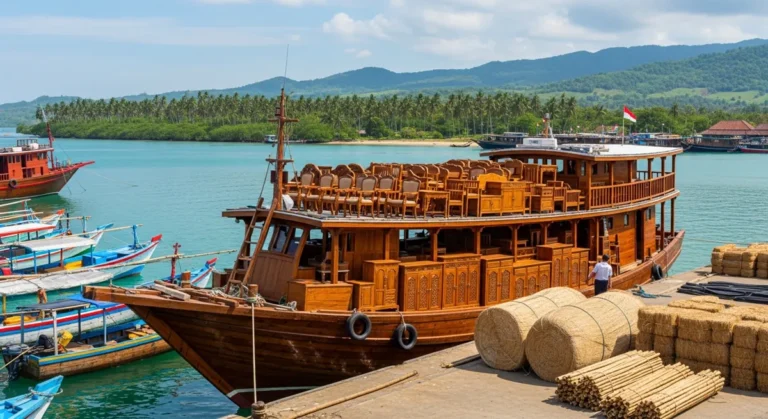
Understanding logistics and lead times is crucial for planning and budgeting. A typical production lead time in Indonesia is 30-60 days, depending on order size and finish complexity. Sea-freight transit generally takes 3-5 weeks to major markets like the US, EU, and Australia, though shorter routes are available for the Middle East and Asia. Buyers should confirm current schedules with freight forwarders to avoid delays. Containers are loaded approximately at 28 CBM for a 20ft, 58 CBM for a 40ft, and 68 CBM for a 40ft High Cube. It’s important to consider whether bulky items will “cube out” before reaching weight limits, especially for upholstered or woven furniture.
Ensuring Compliance with SVLK Certification
SVLK certification is mandatory for all wood-product exporters from Indonesia, ensuring legal timber harvesting and traceability. It is the cornerstone of Indonesia’s FLEGT partnership with the EU, providing strong legality evidence supporting buyers’ due diligence under the EU Deforestation Regulation and the US Lacey Act. While SVLK ensures legality, some factories also offer FSC certification for additional sustainability credentials. Buyers must verify the SVLK status of their suppliers and ensure that all shipments include the necessary V-Legal Document. For in-depth information on SVLK, refer to silk.menlhk.go.id.
Negotiating Terms: Incoterms, Payment, and Pricing
Negotiating favorable terms is essential for a successful sourcing partnership. FOB is the most common Incoterm, where the seller handles export clearance and loading, while the buyer books sea freight and insurance. CFR/CNF and CIF are also available options. Payment terms typically require a 30-50% deposit via T/T to initiate production, with the balance due against a copy of the Bill of Lading. These terms can be adjusted for repeat buyers, so it’s important to discuss and confirm them per order. Pricing varies based on material, grade, specifications, finish, volume, and Incoterm selected. Buyers should request a detailed RFQ to obtain precise quotes tailored to their needs.
Contact and Requesting a Quote
To initiate your sourcing process and request a quote, contact us directly via WhatsApp at +62 811-3941-4563 or email at [email protected]. Our experienced team is ready to assist you with tailored solutions that meet your specific requirements. We invite you to explore our Contact page for more details and to start your request-a-quote (RFQ) process. Our commitment to quality, compliance, and customer satisfaction ensures a reliable partnership for your furniture sourcing needs.