Sourcing Furniture for Hotels & Hospitality Projects
Sourcing hotel furniture from Indonesia presents a unique opportunity for international wholesale buyers. Renowned for its skilled craftsmanship and high-quality materials, Indonesia is a leader in the global furniture export market. Buyers benefit from the country’s robust SVLK certification system, which guarantees the legality of wood used in manufacturing, aligning with global regulations such as the EU Deforestation Regulation and the US Lacey Act.
Understanding Material Options for Hotel Furniture
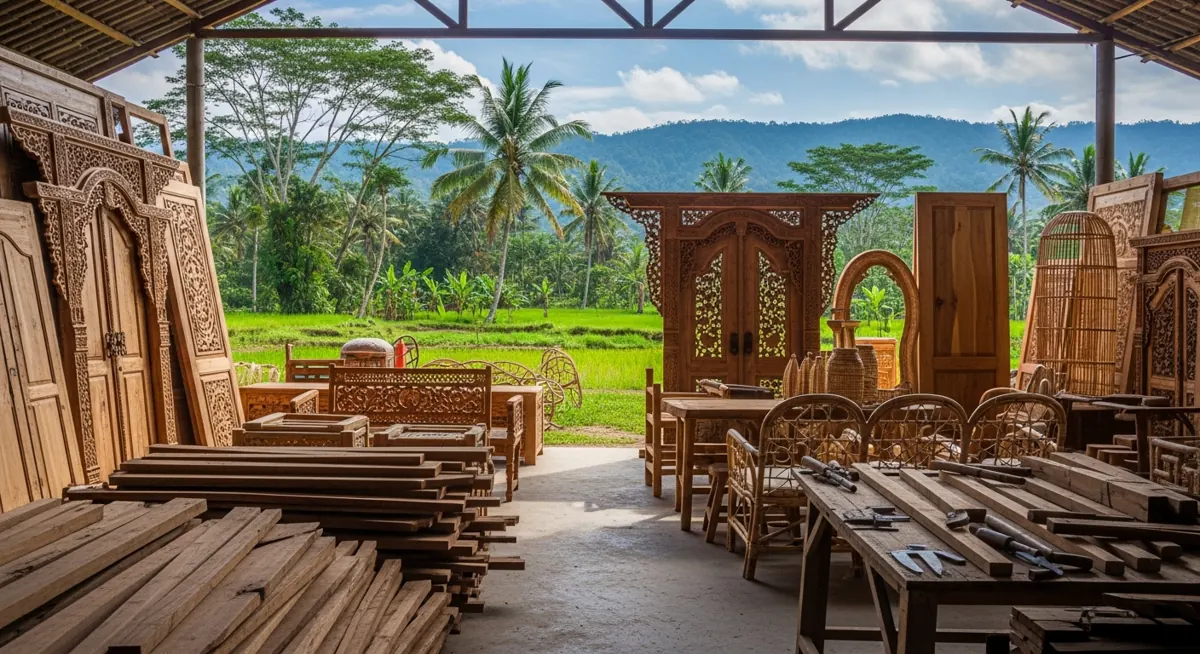
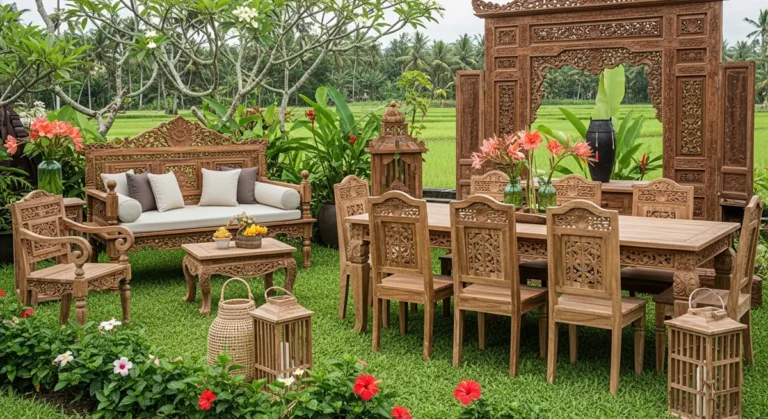
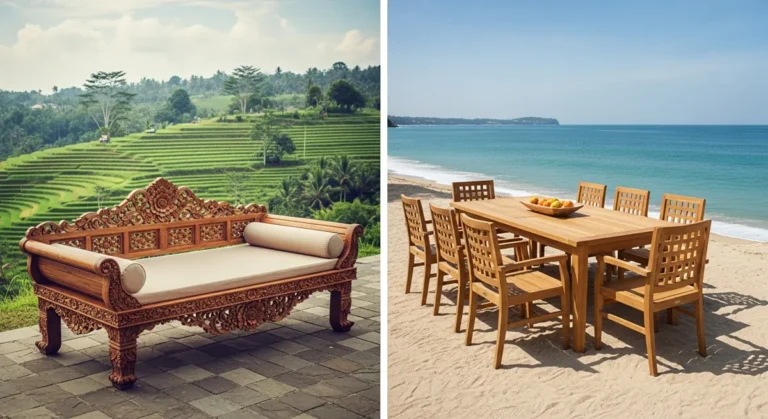
Indonesia offers diverse materials for hotel furniture manufacturing, catering to varied design and durability needs. Solid teak, known for its strength and resistance to weather, is a popular choice, especially from regions like Jepara, Central Java. This material is ideal for both indoor and outdoor settings, offering longevity and a classic aesthetic. Reclaimed teak, also sourced from Jepara, provides an eco-friendly alternative, known for its unique character and sustainability. Mahogany and suar (acacia) are other solid wood options, prized for their durability and rich grain patterns. For those seeking woven textures, natural rattan and synthetic/PE all-weather rattan are available, each offering different benefits for indoor and outdoor use. Water hyacinth and seagrass add a natural, organic touch to furniture, while genuine leather and stone/terrazzo tops provide luxurious finishes. Each material comes with specific minimum order quantities (MOQ), usually ranging from 5-20 pieces for solid wood and 10-30 pieces for woven furniture, ensuring buyers can select the right combination for their projects.
Container Loading Capacities and Logistics
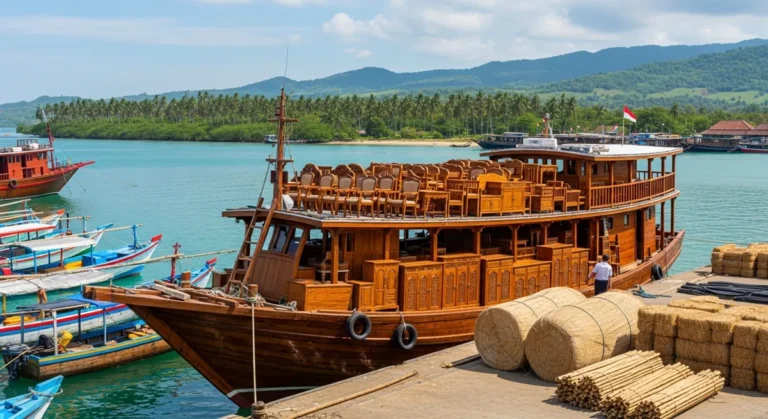
Efficient container loading is crucial for cost-effective shipping. Indonesian furniture manufacturers typically load approximately 28 CBM in a 20ft container, 58 CBM in a 40ft container, and 68 CBM in a 40ft High Cube (40HQ) container. The choice of container depends on the furniture’s bulk and weight. Bulky upholstered or woven furniture tends to fill the container volume before reaching weight limits, whereas dense, knock-down pieces might hit weight limits first. Mixed-model and mixed-material containers are a standard practice, provided each item meets its per-item MOQ and the total load meets the minimum CBM. Main export seaports include Tanjung Perak in Surabaya, Tanjung Emas in Semarang, and Benoa in Bali, each offering strategic access to major international shipping routes.
Minimum Order Quantities (MOQ) and Customization
Understanding MOQs is essential for sourcing furniture in Indonesia. Solid wood furniture typically requires a MOQ of 5-20 pieces per item, while woven or rattan pieces range from 10-30 pieces per model or color. The minimum order size is generally one 20ft container, approximately 25-28 CBM. Indonesian manufacturers offer flexibility in mixed-model and mixed-material orders, allowing buyers to customize their shipments according to project needs. This flexibility extends to OEM/ODM services, where manufacturers produce items to the buyer’s specifications, including design, materials, and finishes. Pre-production samples ensure that buyers can approve the design and quality before mass production, supporting both private-label and branded product lines.
Lead Times and Production Schedules
Production lead times in Indonesia typically range from 30 to 60 days, depending on the order size and complexity of finishes. Sea-freight transit times vary, generally taking 3-5 weeks to reach destinations in the US, EU, and Australia, with shorter times to the Middle East and Asia. These times are approximate and can vary based on route and seasonal factors, so it’s essential for buyers to confirm current schedules. The production process begins with a deposit, usually 30-50% of the total order value, paid via T/T (bank transfer). The balance is typically due against a copy of the Bill of Lading, with terms negotiable for repeat buyers. This structured approach ensures timely delivery and clear financial arrangements.
SVLK Certification and International Compliance
Indonesia’s SVLK (Sistem Verifikasi Legalitas Kayu) certification is a mandatory requirement for all wood-product exporters, including furniture manufacturers. This system ensures that the timber used is legally harvested and traceable, providing strong legality evidence for buyers. The SVLK certification is valid for three years, with annual surveillance to maintain compliance. It supports international regulations such as the EU Deforestation Regulation (EUDR) and the US Lacey Act, though importers still hold due diligence responsibilities. Some manufacturers also offer FSC certification, a voluntary sustainability standard that complements the legality assurance of SVLK. Buyers can verify a manufacturer’s SVLK status through the official Indonesian Ministry of Environment and Forestry website, ensuring transparency and trust in sourcing.
Pricing Structures and Incoterms
Pricing for Indonesian hotel furniture is quoted per order, based on factors such as material, grade, specification, finish, volume, and Incoterm. FOB (Free on Board) is the most common term, where the seller handles export clearance and loading, and the buyer arranges sea freight and insurance. Other terms like CFR (Cost and Freight) and CIF (Cost, Insurance, and Freight) are available, offering varying levels of seller responsibility. The choice of Incoterms affects pricing and logistics, so buyers should specify their preferences when requesting quotes. Clear communication of these terms ensures that both parties understand their responsibilities, facilitating smooth transactions and deliveries.
Indonesia’s Furniture Manufacturing Hubs
Indonesia’s furniture manufacturing is centered around key hubs, each offering unique specialties. Jepara, in Central Java, is renowned for its teak and carved/classic furniture, drawing on centuries of craftsmanship. Bali is known for design-led innovation, producing contemporary pieces and outdoor/garden furniture. These hubs cater to diverse markets, including the US, EU, Australia, the Middle East, and Japan, each with specific design and quality expectations. Buyers seeking custom OEM/ODM furniture can benefit from the expertise and creativity found in these regions, ensuring products meet international standards and aesthetic preferences.
Requesting Quotes and Contact Information
For detailed pricing and customization options, buyers are encouraged to request a quote tailored to their specific needs. This process involves specifying materials, designs, and delivery terms to receive accurate and competitive pricing. For inquiries, buyers can contact us via WhatsApp at +62 811-3941-4563 or email at [email protected]. By engaging directly, buyers can ensure that their project requirements are fully understood and met. Visit our contact page to begin the request-a-quote (RFQ) process and explore our diverse offerings tailored to the hospitality sector.