Importing Furniture to Europe: EUDR & Legality
As a seasoned furniture-export manager, I understand the intricacies involved in sourcing furniture from Indonesia for the European market. With a focus on compliance, quality, and efficient logistics, this guide helps international buyers navigate the importation process under the new EU Deforestation Regulation (EUDR). From understanding SVLK/FLEGT certifications to managing documentation, this comprehensive resource will equip you with the knowledge needed for successful transactions.
Understanding the EUDR and Its Implications

The European Union Deforestation Regulation (EUDR) is a critical framework replacing the older EUTR, aimed at minimizing deforestation by ensuring imported products are legally sourced and traceable. For furniture importers, this means undertaking due diligence to verify the legality of timber products. Indonesian exports come with the SVLK certification, offering strong evidence of legality and supporting compliance with EUDR requirements. However, the onus remains on the importer to maintain due diligence. For more insights, visit SVLK/V-Legal.
SVLK and FLEGT: Foundations of Compliance
Indonesia’s SVLK (Sistem Verifikasi Legalitas Kayu) is a mandatory certification system ensuring that timber products are legally harvested and traceable. Export consignments, including furniture, must ship with a V-Legal Document, valid for three years with annual surveillance. This certification is the backbone of Indonesia’s FLEGT partnership with the EU, providing robust legality evidence. Importers can benefit from SVLK by integrating it into their due diligence processes, thereby aligning with both EUDR and the US Lacey Act requirements. SVLK differs from the FSC, which is voluntary and focuses on sustainability rather than legality.
Documentation for EU Importers
For smooth importation, EU buyers should maintain a comprehensive documentation trail. Key documents include the V-Legal Certificate, Bill of Lading (B/L), commercial invoice, and packing list. It is crucial to keep records of due diligence assessments, supplier declarations, and any additional sustainability certifications like FSC, if applicable. These documents not only facilitate compliance with EUDR but also streamline customs clearance processes, reducing potential delays.
Container Loading and Shipping Specifications
Optimizing container space is vital for cost-effective shipping. A 20ft container can hold approximately 28 CBM of furniture, while a 40ft and a 40HQ can accommodate about 58 CBM and 68 CBM, respectively. Bulky items like upholstered furniture may fill the volume limit before reaching weight capacity, whereas dense, knock-down items might hit weight restrictions first. Understanding these dynamics helps in planning and maximizing each shipment’s efficiency. For detailed logistics, refer to our furniture export shipping process.
Quality Control and Finishing Standards
Quality control is a cornerstone of the Indonesian furniture export industry. Each piece undergoes rigorous inspection to meet international standards. Inspection stages include pre-production sample checks, inline inspections during production, and final random inspections before shipment. Attention to detail in craftsmanship, adherence to design specifications, and functional testing are integral to the QC process. Finishing options are varied, ranging from natural oils and waxes to water-based and polyurethane finishes, each providing different aesthetics and durability levels. Buyers can specify finishing types to align with market preferences and regulatory requirements.
Material Grades and Sustainability
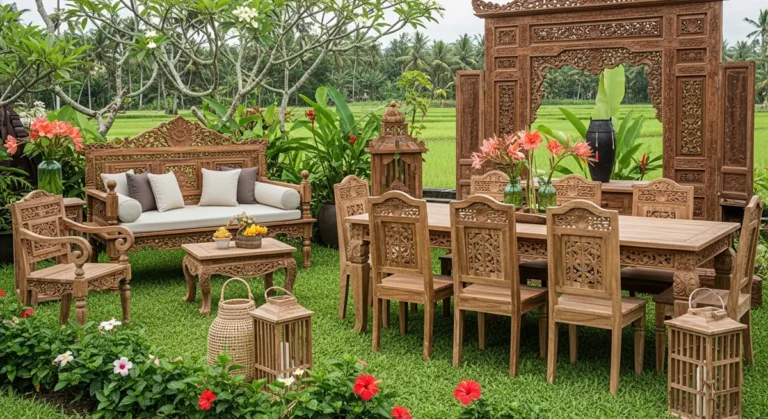
Indonesian furniture is crafted from a variety of materials, each with distinct grades that influence quality and price. Teak, for instance, is available in different grades based on age and origin, with plantation-grown teak offering sustainability and consistency. Mahogany and suar wood are also popular, each offering unique grain patterns and finishes. The choice of material impacts not only the aesthetic appeal but also the environmental footprint. Sustainable sourcing practices, supported by SVLK certification, ensure that materials are harvested responsibly, aligning with global sustainability goals.
Minimum Order Quantities and Material Options
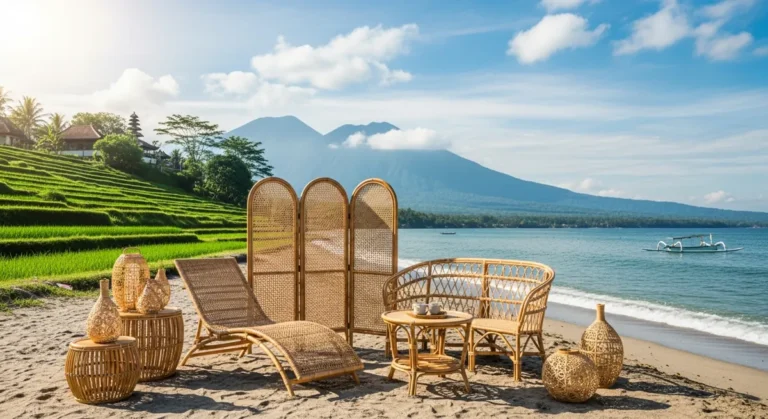
Indonesian manufacturers typically require a minimum order of one 20ft container, approximately 25-28 CBM. MOQs vary: solid-wood furniture often has a per-item MOQ of 5-20 pieces, while woven/rattan options may require 10-30 pieces per model or color. Indonesia offers a diverse range of materials including solid teak, mahogany, suar/acacia, natural rattan, and synthetic PE all-weather rattan. Buyers can mix models and materials within a container, provided each item meets its MOQ. Explore material specifics on teak and rattan.
Packing and Certification Details
Proper packing is crucial to protect furniture during transit. Indonesian exporters use a variety of packing methods, including corrugated cardboard, bubble wrap, and wooden crates, to ensure items arrive in pristine condition. Custom packing solutions can be arranged to meet specific buyer requirements. Certifications like ISO 9001 for quality management and ISO 14001 for environmental management may be available, enhancing the credibility and appeal of the products. Buyers should inquire about available certifications to support marketing and compliance efforts in their home markets.
Incoterms and Export Ports
FOB is the most common Incoterm for Indonesian furniture exports, where the seller manages export clearance and port loading, while the buyer handles sea freight and insurance. Alternatives like CFR/CNF and CIF are available. Key export ports include Tanjung Perak (Surabaya), Tanjung Emas (Semarang), and Benoa (Bali). Understanding these terms and ports ensures smooth logistics coordination and cost management. For more on Incoterms, visit our importing furniture guide.
Lead Times and Payment Terms
Production lead times typically range from 30 to 60 days, influenced by order size and finishing requirements. Sea freight transit to the EU is approximately 3-5 weeks, though this varies by route and season. Standard payment terms involve a 30-50% deposit via T/T to initiate production, with the balance due against the B/L copy. Negotiations for flexible terms are common for repeat buyers, ensuring a mutually beneficial arrangement.
Request for Quote and Contact Information
Pricing is quoted per order, considering material, grade, specification, finish, volume, and Incoterm. To receive a tailored quote, we invite you to submit a Request for Quote (RFQ). Connect with us directly at WhatsApp +62 811-3941-4563 or email [email protected]. For immediate inquiries or to begin your sourcing journey, visit our contact page.
Quality Assurance and Inspection Protocols
Ensuring the highest quality of furniture is paramount, and this begins with rigorous quality assurance protocols. Indonesian manufacturers implement multi-stage inspections: initial checks of raw materials, ongoing production evaluations, and final product assessments. These inspections focus on dimensions, stability, finish uniformity, and overall craftsmanship. Buyers can request third-party inspections for added assurance, and many suppliers offer detailed QC reports as part of the service. This robust inspection process helps prevent defects and ensures that only the highest quality products reach international markets.
Finishing Techniques and Customization Options
The finishing stage of production is where furniture receives its final touch, enhancing both aesthetics and durability. Indonesian manufacturers offer a range of finishes, from classic varnishes to modern lacquers. Water-based finishes are popular for their eco-friendly properties, while oil and wax finishes highlight the natural beauty of the wood. Customization is also available, allowing buyers to specify colors, textures, and sheen levels to match market demands or brand standards. This flexibility in finishing provides buyers with the ability to tailor products to specific consumer preferences and regulatory standards.
Material Sourcing and Environmental Impact
The selection of materials plays a crucial role in the sustainability of furniture production. Indonesian manufacturers prioritize sourcing from responsibly managed plantations, particularly for premium woods like teak and mahogany. This approach not only supports environmental conservation but also ensures a steady supply of high-quality materials. Advanced kiln-drying techniques are employed to reduce moisture content, enhancing the wood’s stability and longevity. By choosing certified and sustainably sourced materials, buyers can contribute to environmental preservation while meeting consumer demand for eco-friendly products.