Jepara vs Bali: Where to Source Indonesian Furniture
Sourcing furniture from Indonesia offers international buyers a unique blend of traditional craftsmanship and innovative design. Jepara and Bali stand out as key hubs, each with distinct strengths. Jepara, known for its teak and intricate carvings, contrasts with Bali’s modern, design-focused approach, particularly in rattan and outdoor furniture. Understanding these regional specialties is crucial for buyers looking to optimize their offerings and tap into Indonesia’s rich furniture export market.
Jepara Furniture: Teak and Carving Heritage

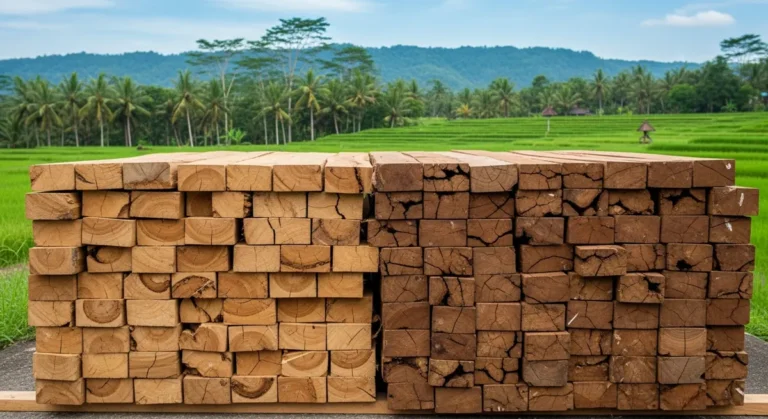
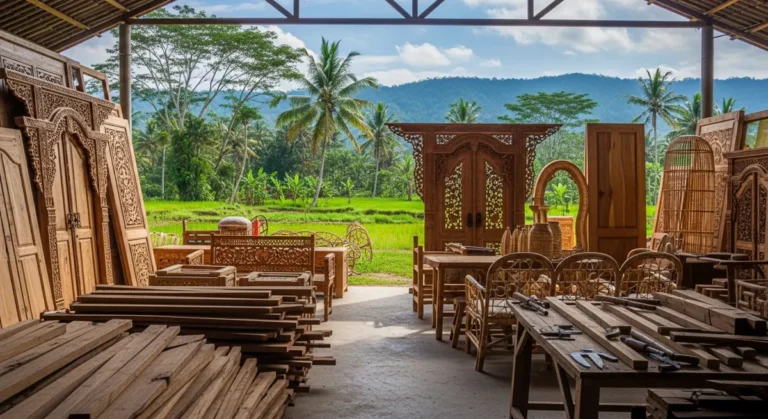
Jepara, located in Central Java, is renowned as Indonesia’s historic teak and carved furniture hub. Its furniture-making tradition is deeply rooted in the use of teak wood, prized for its durability and resistance to weather and pests. Jepara artisans are celebrated for their intricate carvings, a skill passed down through generations. This expertise makes Jepara a top choice for buyers seeking classic and traditional designs. Importers can expect per-item minimum order quantities (MOQs) of 5-20 pieces for solid-wood furniture, with mixed-model containers being a standard practice. The typical production lead time ranges from 30 to 60 days, depending on order size and complexity. Buyers should also consider the SVLK certification, ensuring the legality of the timber used, a crucial factor for compliance with international regulations like the EU Deforestation Regulation and the US Lacey Act. For more on teak expertise, visit our teak furniture exporter page.
Bali Furniture: Design-Led Rattan and Outdoor Strengths
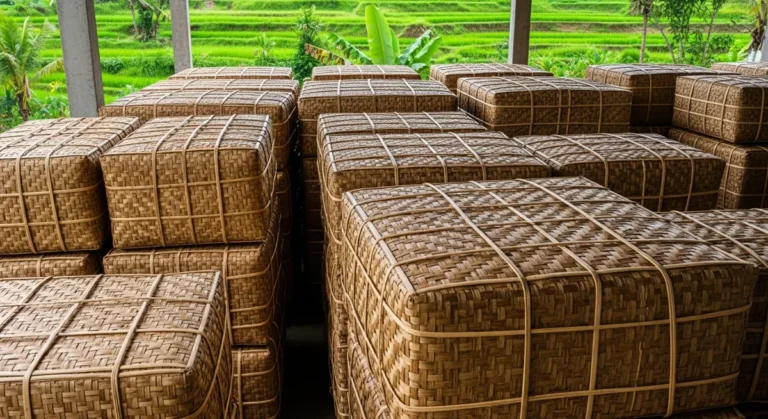
Bali is synonymous with contemporary design, particularly in the realm of rattan and outdoor furniture. The island’s craftsmen excel in creating pieces that blend functionality with aesthetic appeal, catering to modern tastes. Natural rattan and synthetic all-weather rattan are popular materials, offering versatility and durability for outdoor use. Bali’s focus on design innovation makes it a preferred destination for buyers seeking unique, trend-setting pieces. The MOQs for woven and rattan furniture typically range from 10-30 pieces per model or color. FOB terms are common, with Benoa port serving as the primary export hub. Production lead times are similar to Jepara, approximately 30-60 days, with sea freight transit varying by destination. For those interested in Bali’s design prowess, explore our rattan furniture manufacturer page.
Material Grades and Quality Assurance
Understanding the material grades used in Indonesian furniture is essential for buyers aiming to meet specific market standards. Teak from Jepara is often categorized into A, B, and C grades, with Grade A being the highest quality, featuring minimal knots and uniform color. Meanwhile, Bali’s rattan is available in natural and synthetic variants, with the latter providing enhanced durability against elements. Quality assurance processes in Indonesia involve rigorous inspections at various production stages. Factories often employ third-party inspectors to ensure compliance with international standards, offering buyers confidence in the consistency and reliability of their products. Buyers should discuss quality control measures with suppliers to align expectations and ensure products meet their market requirements.
Finishing and Customization Options
Indonesian furniture is renowned for its wide range of finishing and customization options, allowing buyers to tailor products to their market demands. Common finishes include natural, stained, painted, and distressed looks, each offering a distinct aesthetic appeal. Customization extends to dimensions, materials, and design elements, enabling buyers to create bespoke collections. Factories in Indonesia are equipped to handle various customization requests, though these may affect production lead times. Buyers are advised to communicate specific requirements early in the negotiation process, ensuring that the finished products align with their branding and customer preferences.
The Importance of SVLK Certification
The SVLK (Sistem Verifikasi Legalitas Kayu) is Indonesia’s mandatory timber legality assurance system, crucial for all wood-product exporters. It ensures that the timber used in furniture production is legally harvested and traceable, providing a strong basis for compliance with international regulations. Each export consignment must include a V-Legal Document, with certificates valid for three years and subject to annual surveillance. While SVLK assures legality, it does not equate to FSC sustainability certification, which some factories may offer additionally. Buyers can verify SVLK details through Indonesia’s forestry ministry, ensuring due diligence and legal compliance for their imports.
Optimizing Container Loading for Export
Efficient container loading is essential for cost-effective shipping. A 20ft container can hold approximately 28 CBM of furniture, while a 40ft container accommodates around 58 CBM, and a 40ft High Cube (40HQ) can load up to 68 CBM. The choice of container depends on the type of furniture and its packaging. Bulky upholstered or woven pieces tend to fill volume limits before weight limits, whereas dense, knock-down items may reach weight limits first. Understanding these dynamics helps buyers optimize their shipping strategies, minimizing costs while meeting MOQs and maintaining product integrity during transit.
Understanding Incoterms and Export Ports
The most common Incoterm for Indonesian furniture exports is FOB, where the seller handles export clearance and loading at the port, and the buyer takes responsibility for sea freight and insurance. Other terms like CFR/CNF and CIF are also available. Indonesia’s main furniture export seaports include Tanjung Perak in Surabaya, Tanjung Emas in Semarang, and Benoa in Bali. These ports facilitate efficient shipping to major markets such as the US, EU, Australia, and Japan. Buyers should confirm specific Incoterms and port details when placing orders to ensure smooth logistics and compliance with international trade standards.
Lead Times and Production Planning
Production lead times for Indonesian furniture generally range from 30 to 60 days, influenced by order size and customization requirements. Buyers should also account for sea-freight transit times, which are approximately 3-5 weeks to destinations like the US, EU, and Australia, though shorter for the Middle East and Asia. Planning ahead is crucial to synchronize production and shipping schedules, ensuring timely delivery. Buyers are advised to confirm current schedules with suppliers, as transit times can vary by route and season. To learn more about our production capabilities, visit our about page.
Payment Terms and Negotiations
Typical payment terms for Indonesian furniture exports involve a deposit of approximately 30-50% by T/T (bank transfer) to initiate production, with the balance payable against a copy of the Bill of Lading (B/L). These terms are standard but negotiable for repeat buyers, offering flexibility to accommodate specific financial arrangements. Establishing clear payment terms upfront helps build trust and ensures a smooth transaction process. Buyers are encouraged to discuss and confirm payment details with suppliers, tailoring arrangements to fit their purchasing cycles and cash flow management.
For detailed inquiries and personalized quotes, please visit our contact page to request a quote. Our team is ready to assist with your sourcing needs, providing expert guidance and support to ensure successful procurement from Indonesia’s diverse furniture offerings.