Navigating 2027 Export: Your Essential Guide to Bali Furniture Logistics
As 2027 unfolds, the landscape of international furniture export from Bali continues to evolve, presenting both exciting opportunities and complex challenges. For businesses aiming to efficiently and reliably deliver their exquisite Balinese creations to global markets, understanding the intricacies of logistics and compliance is paramount. This guide provides essential insights for a successful year.
The global demand for high-quality, handcrafted furniture remains robust, with discerning customers increasingly seeking unique pieces that tell a story. Bali, with its rich artistic heritage and skilled artisans, is perfectly positioned to meet this demand. However, translating this potential into successful, repeatable exports requires more than just beautiful products; it demands a sophisticated approach to supply chain management, particularly regarding shipping and customs procedures.
The Evolving Landscape of International Shipping in 2027
2027 brings with it new regulations, updated international trade agreements, and an ongoing emphasis on sustainable practices within the logistics sector. Shippers must be acutely aware of these changes to avoid delays, penalties, and increased costs. For instance, stricter environmental protocols may influence preferred shipping routes or packaging materials. Furthermore, geopolitical shifts can impact shipping lanes and lead times, making flexibility and foresight more important than ever.
Container availability and freight rates continue to fluctuate, influenced by global economic conditions and demand. Securing reliable space on vessels at competitive prices requires strong relationships with freight forwarders and a proactive booking strategy. Small to medium-sized exporters, in particular, benefit from consolidating shipments where possible or partnering with larger exporters to share container space, thereby optimising costs and efficiency.
Mastering Documentation and Compliance
One of the most frequent hurdles for furniture exporters is the sheer volume and complexity of required documentation. In 2027, digital submission of paperwork is becoming the norm in many jurisdictions, but the accuracy and completeness of these digital files are more crucial than ever. Errors can lead to significant delays at ports, incurring demurrage charges and potentially jeopardising delivery schedules.
- Commercial Invoice: Ensure precise product descriptions, Harmonised System (HS) codes, and declared values.
- Packing List: Detail all items, their dimensions, and weights within each package.
- Bill of Lading (B/L) or Air Waybill (AWB): The contract between the shipper and carrier.
- Certificate of Origin: Often required for preferential tariff treatment under trade agreements.
- Fumigation Certificate: Mandatory for wooden products to prevent pest transmission.
- Phytosanitary Certificate: For products containing plant materials.
Staying updated on the specific import regulations of each destination country is also vital. These can change without extensive prior notice, affecting everything from labelling requirements to permissible wood species. A diligent approach to research and verification before each shipment is non-negotiable.
The Critical Role of Bali Customs Clearance
Among the various logistical components, navigating Indonesian customs procedures stands out as a particularly critical area for Bali furniture exporters. The process involves meticulous declaration, adherence to local export laws, and often, coordination with multiple government agencies. Missteps here can cause substantial delays, storage fees, and even confiscation of goods.
Given the complexities, partnering with a specialist in bali customs clearance is not merely convenient; it is an essential strategic decision for any serious exporter. A reputable customs broker possesses in-depth knowledge of Indonesian regulations, is adept at preparing and submitting documentation, and can efficiently resolve any issues that may arise with customs officials. Their expertise ensures your valuable furniture navigates the export process smoothly, allowing you to focus on production and sales. They act as a vital intermediary, ensuring compliance and expediting the departure of your goods from Bali.
Optimising Packaging for Long-Haul Transit
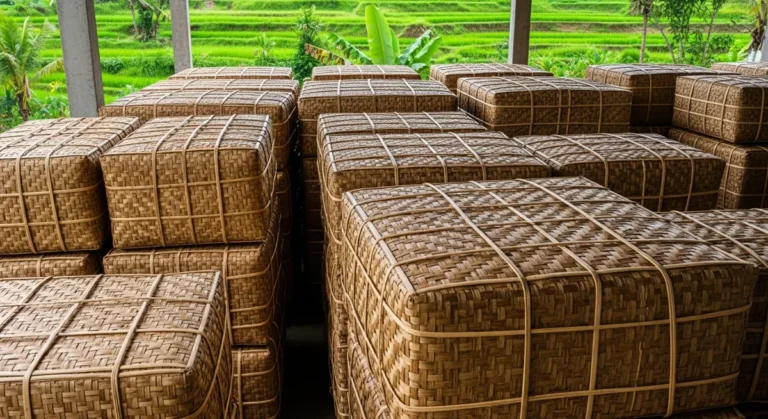
The journey from Bali to international destinations can be arduous. Proper packaging is fundamental to ensuring your furniture arrives in pristine condition. In 2027, the emphasis is not just on protection but also on sustainability. Exporters are increasingly using recycled, recyclable, or biodegradable packaging materials without compromising on structural integrity.
Consider the varying climates and handling procedures your furniture will encounter. Robust crating for delicate items, multi-layer wrapping for polished surfaces, and adequate internal cushioning are standard practices. Investing in high-quality packaging reduces the risk of damage claims, which can be costly and detrimental to customer satisfaction.
Leveraging Technology for Supply Chain Visibility
Technology continues to transform supply chain management. In 2027, exporters are increasingly utilising digital platforms for real-time tracking of shipments, inventory management, and communication with logistics partners. Cloud-based systems provide greater transparency, allowing you to monitor your furniture’s journey from your workshop to the customer’s door. This visibility enables proactive problem-solving and keeps customers informed, enhancing overall service quality.
Looking Ahead: Sustainability and Ethical Sourcing
Beyond the immediate logistical concerns, 2027 sees a growing consumer and regulatory focus on sustainability and ethical sourcing. Exporters who can demonstrate their commitment to environmentally responsible practices and fair labour conditions will gain a significant competitive advantage. This includes sourcing timber from sustainably managed forests, using non-toxic finishes, and ensuring equitable wages for artisans. Communicating these values effectively to your international customers can build stronger brand loyalty and open new market opportunities.
Q&A: What are common pitfalls in Bali furniture export logistics?
The most frequent pitfalls include incomplete or incorrect customs documentation, leading to delays and fines; underestimating transit times and potential port congestion; inadequate packaging resulting in product damage; and a lack of clear communication with freight forwarders or customs brokers. Ignoring changes in international trade regulations or destination country import laws also presents significant risks.
Q&A: How can I ensure my furniture meets international quality standards upon arrival?
To ensure international quality standards, implement rigorous quality control at every stage of production and before packaging. Use durable, appropriate packaging materials designed for long-distance shipping, considering climate variations and handling. Partner with reputable shipping lines and, crucially, work with experienced customs clearance agents who understand the specific requirements for furniture, ensuring smooth transit and minimising delays that could impact product integrity.