Teak Grades Explained: Grade A, B and C for Buyers
As an international wholesale buyer sourcing furniture from Indonesia, understanding the grading of teak wood is crucial for your procurement decisions. Teak, a renowned material for its durability and aesthetic appeal, is graded into A, B, and C categories. These grades directly influence the quality, outdoor durability, and pricing of the furniture. This page provides a comprehensive guide to help you make informed decisions when ordering from Indonesian exporters.
Understanding Teak Grades: A, B, and C
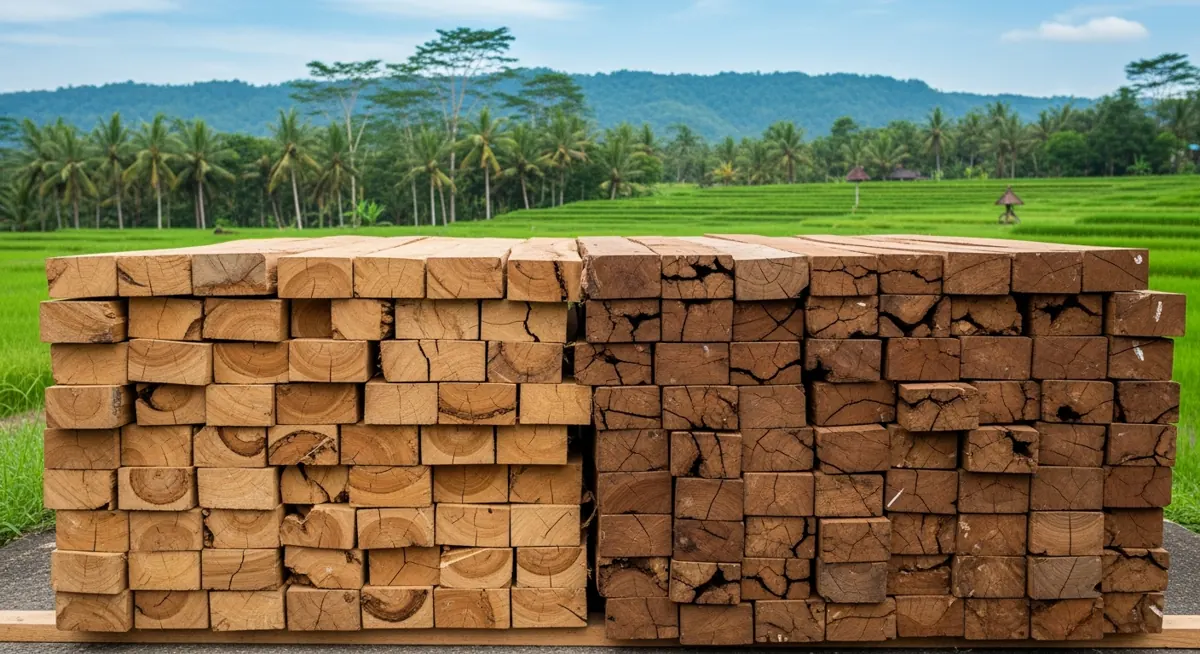
Teak wood is categorized into three primary grades based on its quality and characteristics. Grade-A teak is the highest quality, derived from the heartwood of mature trees, and is known for its uniform color, high oil content, and tight grain. This makes it highly resistant to weather conditions, making it ideal for outdoor furniture. Grade-B teak is sourced closer to the outer sections of the tree, possessing less oil and more natural imperfections. While still durable, it requires more maintenance than Grade-A. Grade-C teak is the lowest quality, often harvested from immature trees and containing significant variations in color and grain. This grade is less durable and typically used for low-cost furniture options. Understanding these distinctions is essential for specifying your teak furniture export orders.
Why Grade-A Teak is Ideal for Outdoor Use
Grade-A teak’s high oil content and dense grain make it exceptionally suited for outdoor applications. The natural oils protect the wood from moisture, insects, and decay, ensuring longevity even in harsh weather conditions. This grade is often preferred for outdoor furniture, such as patio sets and garden benches, due to its ability to withstand sun, rain, and temperature fluctuations without warping or cracking. The durability of Grade-A teak justifies its higher price point, offering buyers a long-term investment in quality and performance. For those sourcing outdoor furniture, prioritizing Grade-A teak can significantly enhance the product’s longevity and customer satisfaction. Consider this when exploring options for the best wood for outdoor furniture in Indonesia.
Impact of Teak Grade on Pricing
The grade of teak wood significantly influences the pricing of furniture. Grade-A teak commands the highest prices due to its superior quality and durability. Buyers can expect to pay a premium for the long-term benefits it offers. Grade-B teak is moderately priced, providing a balance between quality and cost, making it suitable for budget-conscious buyers who still seek durability. Grade-C teak is the most affordable, but it comes with compromises in longevity and maintenance requirements. When placing orders, it’s crucial to specify the desired grade to ensure that the pricing aligns with the expected quality. Prices are quoted per order, taking into account material, grade, and volume, so it’s advisable to request a detailed quote for precise pricing.
Ordering Specifications and Minimum Order Quantities (MOQ)
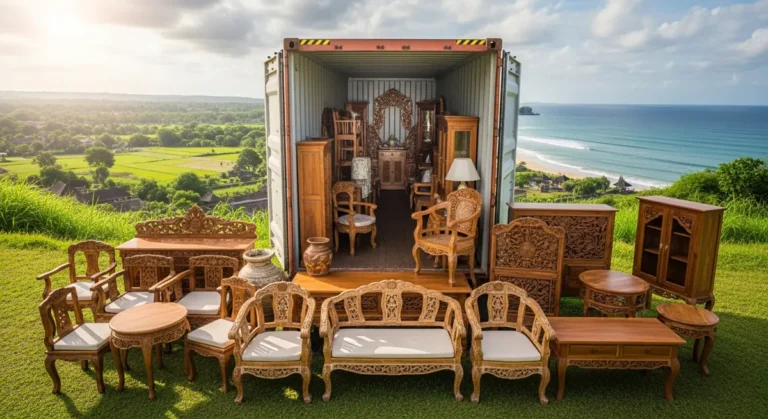
When sourcing teak furniture, understanding the specifications and MOQs is essential. For solid-wood furniture, per-item MOQs typically range from 5-20 pieces, while woven or rattan items have MOQs of 10-30 pieces per model or color. The minimum order is generally one 20ft container, approximately 25-28 CBM. Indonesian exporters often accommodate mixed-model and mixed-material containers, provided each item meets its per-item MOQ. This flexibility allows buyers to diversify their product offerings without exceeding budget constraints. Detailed order specifications, including desired teak grade, finishing, and design, should be communicated clearly to the manufacturer to ensure accurate production and fulfillment.
Quality Control and Assurance
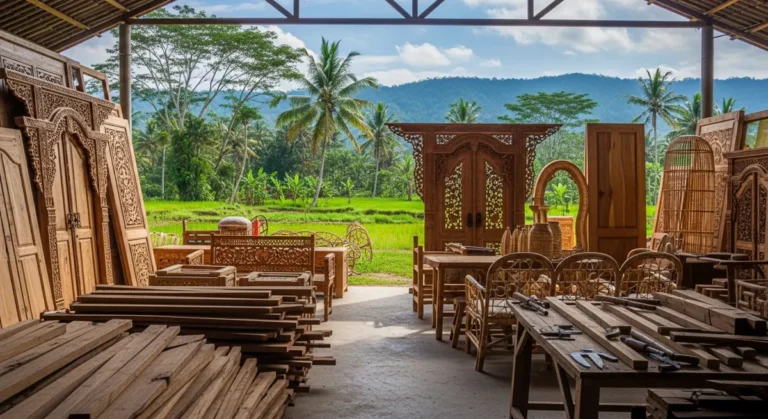
Ensuring the quality of teak furniture is pivotal for maintaining brand reputation and customer satisfaction. Indonesian manufacturers typically implement rigorous quality control (QC) processes that involve multiple inspection stages. QC begins with raw material selection, where teak wood is scrutinized for grade, moisture content, and defects. During production, each piece undergoes meticulous checks to ensure adherence to design specifications and craftsmanship standards. Final inspections focus on finishing quality, assembly, and packaging integrity. Buyers are encouraged to discuss QC protocols with manufacturers to align expectations and verify compliance. This proactive approach minimizes the risk of defects and ensures consistent product quality.
Finishing Options and Techniques
The finishing of teak furniture plays a crucial role in its aesthetic appeal and protection. Indonesian manufacturers offer a variety of finishing options, including natural, stained, and painted finishes. Natural finishes highlight the wood’s grain and color, while stained finishes provide color uniformity and depth. Painted finishes offer a broader color palette, suitable for specific design themes. Finishing techniques may involve sanding, sealing, and coating with UV-resistant or waterproof sealants to enhance durability. Buyers should specify their preferred finish and any additional treatments, such as distressing or antiquing, to ensure the final product aligns with market preferences. Understanding these options aids in selecting finishes that complement the intended use and design vision.
Production Lead Times and Shipping Logistics
Production lead times for teak furniture typically range from 30-60 days, depending on order size and finishing requirements. Once production is complete, sea-freight transit to destinations such as the US, EU, and Australia takes approximately 3-5 weeks, although this can vary based on shipping routes and seasonal factors. Buyers are encouraged to confirm current shipping schedules to ensure timely delivery. Indonesian exporters commonly use FOB terms, where the seller handles export clearance and loading at the port, and the buyer books sea freight and insurance. The main export seaports include Tanjung Perak, Tanjung Emas, and Benoa. Understanding these logistics is critical for planning and coordinating international shipments effectively.
SVLK Certification and Legal Compliance
Indonesia’s SVLK (Sistem Verifikasi Legalitas Kayu) is a mandatory timber legality assurance system for all wood-product exporters, including those dealing with teak furniture. Export consignments must ship with a V-Legal Document, which verifies that the timber is legally harvested and traceable. This certification is valid for three years, with annual surveillance to ensure compliance. SVLK forms the basis of Indonesia’s FLEGT partnership with the EU, providing strong legality evidence for due diligence under the EU Deforestation Regulation and the US Lacey Act. Buyers can verify SVLK certification details on the official website to ensure compliance with international legal standards.
Custom Manufacturing and Branding Options
Indonesian furniture manufacturers offer OEM/ODM services, allowing buyers to produce custom designs according to their specifications. This includes pre-production samples for approval before bulk manufacturing begins. Private-label and branding options are also available, enabling buyers to market the products under their own brand names. This is particularly beneficial for retailers and interior designers looking to create unique product lines. Clear communication of design specifications, materials, and finishing preferences is crucial to ensure that the final product meets the buyer’s expectations. Buyers are encouraged to collaborate closely with manufacturers to achieve the desired outcome, leveraging Indonesia’s skilled craftsmanship and design expertise.
For further inquiries and to request a detailed quote, please contact us via WhatsApp at +62 811-3941-4563 or email at [email protected]. Our experienced team is ready to assist you with all your teak furniture sourcing needs.