Reclaimed vs New Teak Furniture: Which to Source?
International wholesale buyers sourcing furniture from Indonesia must carefully consider the trade-offs between reclaimed and new plantation teak. These options present distinct advantages and challenges in terms of aesthetics, stability, legality, and cost. Understanding these differences is crucial for importers, retailers, interior designers, and hospitality procurement professionals looking to make informed purchasing decisions.
Visual Appeal and Character

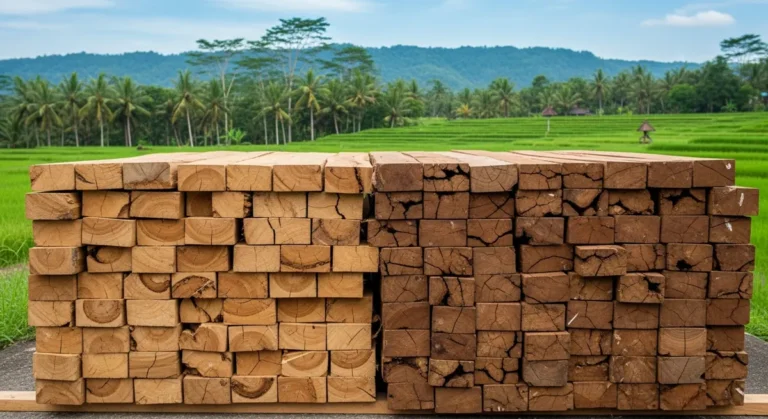
Reclaimed teak is renowned for its unique appearance and rich history. Each piece of furniture tells a story, having been crafted from timber that once served another purpose. This wood often features a weathered look with distinctive grain patterns that cannot be replicated in new teak. For buyers seeking furniture with character and an eco-friendly backstory, reclaimed teak is an attractive choice. In contrast, new plantation teak offers a more uniform appearance, with consistent color and grain. This makes it ideal for buyers requiring a sleek, modern aesthetic. Both types of teak have their own appeal, but the choice largely depends on the buyer’s target market and design preferences. For more on the aesthetic qualities of teak, visit our teak furniture exporter page.
Stability and Durability
Teak wood is prized for its durability, yet there are trade-offs between reclaimed and new plantation teak. Reclaimed teak has already stood the test of time, making it less prone to warping and cracking. Its seasoned nature means it is less likely to react to environmental changes. However, it may have inherent imperfections due to its prior use. New plantation teak, on the other hand, is harvested and processed under controlled conditions, ensuring a steady supply of high-grade wood. While it may lack the aged stability of reclaimed teak, it offers predictable quality and performance. Importers must consider the specific needs of their clients when choosing between these options. For more insights on teak grades, refer to our teak grades explained page.
Quality Control and Assurance
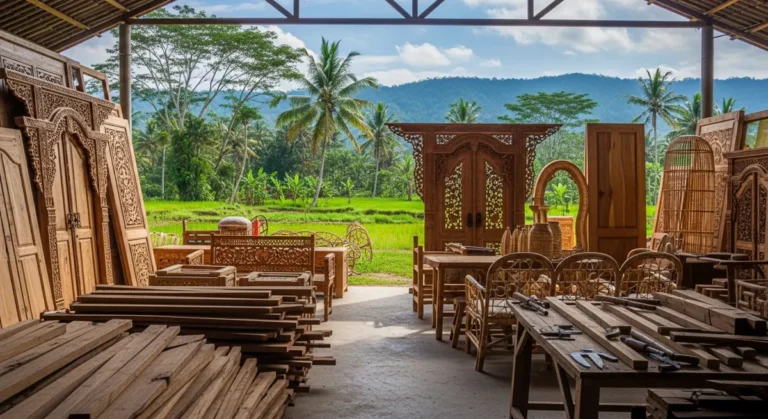
Ensuring high-quality furniture is critical for maintaining customer satisfaction and brand reputation. At Saka Nusantara, quality control begins at the source, with rigorous selection of raw materials. Each piece of timber is inspected for defects before processing. During production, skilled craftsmen adhere to precise manufacturing standards, ensuring each item meets the specified requirements. Final products undergo thorough inspections to verify craftsmanship, structural integrity, and finish quality. Importers are encouraged to communicate their quality expectations clearly and may request factory visits or third-party inspections for added assurance. This commitment to quality helps buyers maintain confidence in their purchases and supports long-term business relationships.
Legality and Certification
Ensuring the legality of timber is paramount for international buyers. Indonesia’s Sistem Verifikasi Legalitas Kayu (SVLK) is a mandatory certification that guarantees the legality and traceability of wood products, including furniture. All export consignments must include a V-Legal Document. This certification supports compliance with international regulations such as the EU Deforestation Regulation and the US Lacey Act. While SVLK provides a strong legal framework, importers must still conduct their own due diligence. Some manufacturers offer additional certifications like FSC for buyers seeking further assurance of sustainability. For detailed information on SVLK, visit our SVLK certification page or consult silk.menlhk.go.id.
Finishing Options and Customization
The finish of a piece of furniture significantly impacts its final appearance and durability. Saka Nusantara offers a variety of finishing options, including natural, stained, and painted finishes, each suitable for different design aesthetics. The choice of finish affects not only the visual appeal but also the protection of the wood against moisture and wear. Customization is another key offering, allowing buyers to specify finishes that align with their brand or project requirements. Importers can work closely with the production team to create bespoke finishes or match existing designs, ensuring a unique product offering that meets market demands.
Pricing Considerations
Pricing for reclaimed and new teak furniture varies based on material, grade, and finish. Reclaimed teak often commands a higher price due to its unique characteristics and labor-intensive sourcing process. Buyers should expect to negotiate prices on a per-order basis, considering factors such as volume and Incoterms. New plantation teak offers a more cost-effective option, with predictable pricing linked to the consistent supply of timber. Importers should request quotes to understand the specific pricing for their desired products. For more on pricing dynamics, please request a quote through our contact page.
Minimum Order Quantities and Container Loading
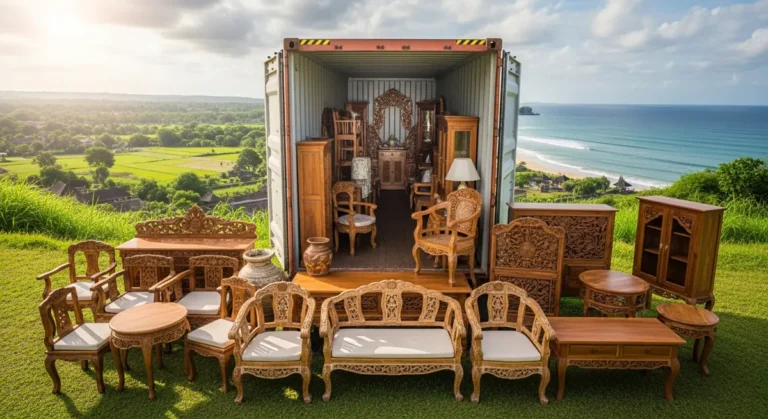
When importing furniture, understanding minimum order quantities (MOQs) and container loading is essential. For solid-wood furniture, per-item MOQs typically range from 5-20 pieces, while woven/rattan items require 10-30 pieces per model or color. The minimum order generally fills a 20ft container, approximately 25-28 CBM. Mixed-model and mixed-material containers are common, provided each item meets its MOQ. A 40ft container can hold about 58 CBM, while a 40ft High Cube accommodates 68 CBM. Importers should plan their orders to optimize loading and shipping costs.
Incoterms and Export Logistics
The most common Incoterm for Indonesian furniture exports is FOB, where the seller handles export clearance and loading at the port, while the buyer arranges sea freight and insurance. Other terms like CFR/CNF and CIF are also available. Major export ports include Tanjung Perak, Tanjung Emas, and Benoa. Production lead times range from 30-60 days, with sea-freight transit taking 3-5 weeks to destinations like the US, EU, and Australia. Buyers should confirm current schedules and negotiate terms suited to their needs.
Payment Terms and Financing
Typical payment terms require a deposit of approximately 30-50% via bank transfer to initiate production, with the balance due against a copy of the Bill of Lading. For repeat buyers, terms may be negotiable. It’s crucial for importers to establish clear payment agreements to ensure smooth transactions. Each order will depend on the specifics of the buyer-seller relationship, and importers should clarify terms in advance to avoid misunderstandings.
Conclusion and Next Steps
Choosing between reclaimed and new plantation teak involves weighing various factors, from aesthetics and durability to legality and cost. Each option offers distinct advantages that cater to different markets and preferences. Importers are encouraged to engage with suppliers to discuss their specific needs and obtain detailed quotes. For more information, visit our contact page to request a quote and begin your sourcing journey with Saka Nusantara.