Natural vs Synthetic Rattan for Outdoor Furniture
As a discerning international wholesale buyer, sourcing high-quality furniture from Indonesia requires understanding the nuances between natural and synthetic materials. This page offers precise guidance on selecting between natural rattan and synthetic rattan for your outdoor and hospitality projects, ensuring your investment aligns with your project’s needs and environmental compliance requirements.
Understanding Natural Rattan
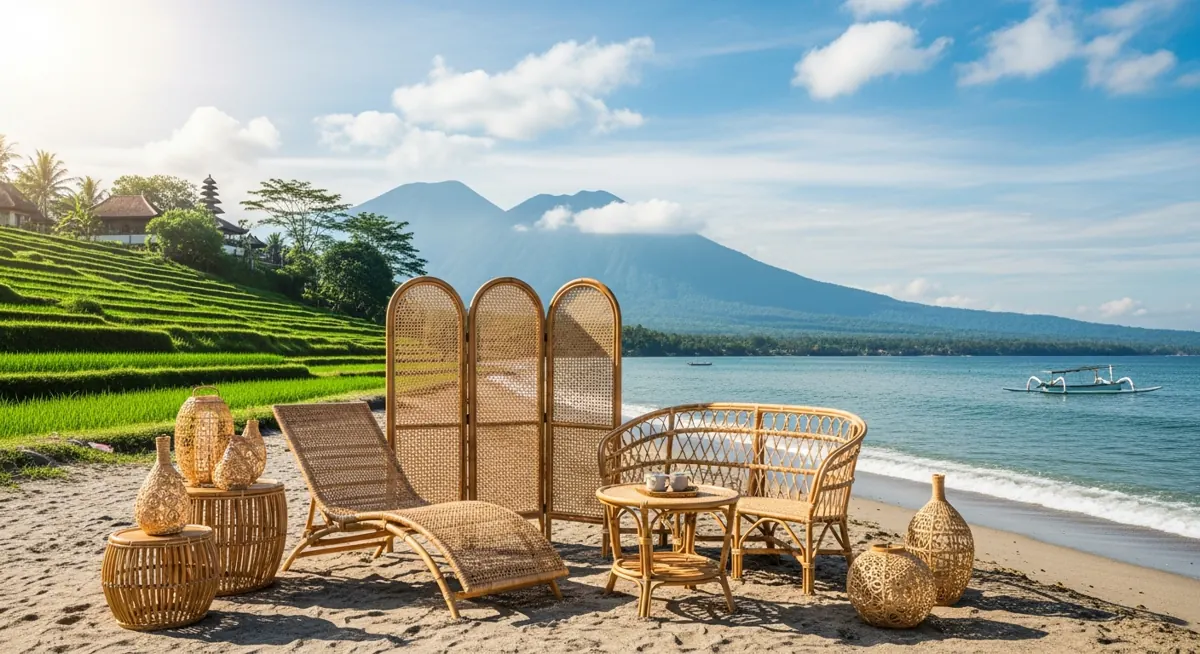
Natural rattan is a tropical palm plant known for its flexibility and strength, making it ideal for crafting intricate furniture designs. Indonesia is a leading exporter of rattan furniture, with Bali and Jepara as key production hubs. Natural rattan furniture is favored for its authentic appearance and eco-friendly attributes. The material is lightweight yet durable, suitable for indoor settings or covered outdoor areas where it is protected from direct weather exposure. Each piece can be customized to meet specific design requirements, a crucial factor for OEM/ODM buyers. Natural rattan’s sustainability is underscored by Indonesia’s SVLK certification, assuring buyers of its legal and traceable origins. However, natural rattan requires regular maintenance to preserve its quality, and its suitability for outdoor use is limited by its sensitivity to moisture and UV light.
The Advantages of Synthetic Rattan
Synthetic rattan, often made from polyethylene (PE), offers a robust alternative for outdoor furniture. Its all-weather capability stems from its resistance to UV rays, moisture, and temperature fluctuations, making it highly suitable for hospitality environments and gardens. Unlike natural rattan, synthetic versions require minimal upkeep and can withstand harsh outdoor conditions without deteriorating. The flexibility of synthetic rattan allows for diverse design options, maintaining aesthetic appeal while ensuring durability. This material is ideal for projects demanding long-term resilience and ease of maintenance. For wholesale buyers, synthetic rattan provides a practical solution for large-scale outdoor furniture requirements, aligning with the rigorous quality standards expected in international markets. Given the material’s adaptability and longevity, synthetic rattan is a strategic choice for outdoor hospitality projects.
Comparing Costs and Order Requirements
When sourcing rattan furniture, cost considerations are pivotal. Natural rattan typically commands a premium due to its organic appeal and labor-intensive crafting process. Conversely, synthetic rattan is generally more cost-effective, offering value through durability and lower maintenance costs. For B2B buyers, understanding MOQ and container capacities is essential. Natural rattan furniture generally requires a MOQ of 10-30 pieces per model/color, while synthetic rattan follows similar MOQ guidelines. Export orders usually fill a minimum of one 20ft container, approximately 28 CBM. Buyers can mix models and materials within the container, provided each item meets its MOQ. Pricing is quoted per order, influenced by material, design complexity, and Incoterm, with FOB being the most common term used.
Production and Lead Times
Understanding production timelines is crucial for planning your procurement schedule. Typically, production lead times for rattan furniture range from 30 to 60 days, depending on the order size and complexity of finishes. Once production is complete, sea freight transit times to major markets such as the US, EU, and Australia are approximately 3-5 weeks, though this can vary by route and season. Buyers are advised to confirm current schedules to ensure timely delivery. Payment terms usually require a 30-50% deposit to initiate production, with the balance payable against a copy of the Bill of Lading. These timelines and terms are standard in the industry but can be tailored for repeat buyers.
SVLK Certification and Environmental Compliance
SVLK (Sistem Verifikasi Legalitas Kayu) is Indonesia’s mandatory timber legality assurance system, ensuring all wood products, including rattan furniture, are legally harvested and traceable. This certification is critical for buyers under the EU Deforestation Regulation and the US Lacey Act, as it provides strong evidence of legality. The SVLK system supports Indonesia’s FLEGT partnership with the EU, offering a robust framework for environmental compliance. For additional sustainability credentials, some factories may offer FSC certification, though this is not a substitute for SVLK. Buyers should verify certification validity and understand that due diligence responsibilities remain with the importer.
Quality Control and Assurance
Ensuring the highest quality standards is paramount in the furniture export industry. Indonesian manufacturers implement rigorous quality control (QC) processes to deliver products that meet international standards. QC begins with the selection of raw materials, ensuring that only premium-grade natural and synthetic rattan are used. Throughout production, regular inspections are conducted to monitor craftsmanship, adherence to design specifications, and structural integrity. Final QC checks involve thorough testing for durability, color consistency, and finish quality. Buyers are encouraged to specify their QC requirements, and many manufacturers offer third-party inspection services for added assurance. This commitment to quality helps build long-term relationships with clients and ensures satisfaction with every shipment.
Finishing Options for Rattan Furniture
The finish applied to rattan furniture significantly affects its appearance and longevity. Indonesian manufacturers offer a variety of finishing options to cater to diverse market preferences. For natural rattan, popular finishes include clear lacquer to highlight the natural grain, or colored stains for a more customized look. Synthetic rattan can be finished in a wide range of colors, mimicking natural hues or bright, contemporary shades. UV-resistant coatings are often applied to enhance durability and maintain color vibrancy over time. Buyers can choose finishes that align with their brand aesthetics and functional requirements, ensuring the end product meets market expectations. Custom finishes can also be developed for large orders, allowing for unique product offerings.
Packing and Shipping Standards
Proper packing is crucial to protect rattan furniture during transit. Indonesian manufacturers follow stringent packing protocols to minimize damage risks. Furniture is typically wrapped in protective materials such as foam and corrugated cardboard, with additional reinforcement for fragile components. For larger items, wooden crates or pallets may be used to provide extra stability. Labeling is clear and detailed, ensuring easy identification and handling at ports. Buyers are advised to discuss specific packing requirements with their suppliers to accommodate any unique needs or preferences. Understanding these packing standards helps in planning the logistics of receiving and distributing the furniture upon arrival at the destination.
Working with Indonesian Manufacturers
Indonesia’s furniture manufacturing industry offers extensive customization options, with many factories providing OEM/ODM services. Buyers can collaborate with manufacturers to develop unique designs, ensuring products meet specific market demands. Pre-production samples are a standard practice to confirm specifications before bulk production. Indonesian manufacturers are known for their flexibility, allowing mixed-model and mixed-material orders, provided each item meets its MOQ. This adaptability makes Indonesia an attractive sourcing destination for international buyers looking to offer diverse, high-quality products to their customers.
For further inquiries or to request a quote, please contact us. Our team is ready to assist you in navigating your furniture sourcing needs, ensuring a smooth and compliant procurement process. Start your request-a-quote (RFQ) path today to explore our offerings and secure your order.