Furniture MOQ Explained: Ordering from Indonesia
Sourcing furniture from Indonesia offers international buyers access to a diverse range of materials and styles, from solid teak to contemporary rattan designs. Understanding the minimum order quantity (MOQ) and shipping logistics is crucial for efficient procurement. This page details the specifics of per-item versus per-container MOQs, mixed-model loading, and realistic first order sizes.
Understanding Minimum Order Quantity in Indonesian Furniture Export
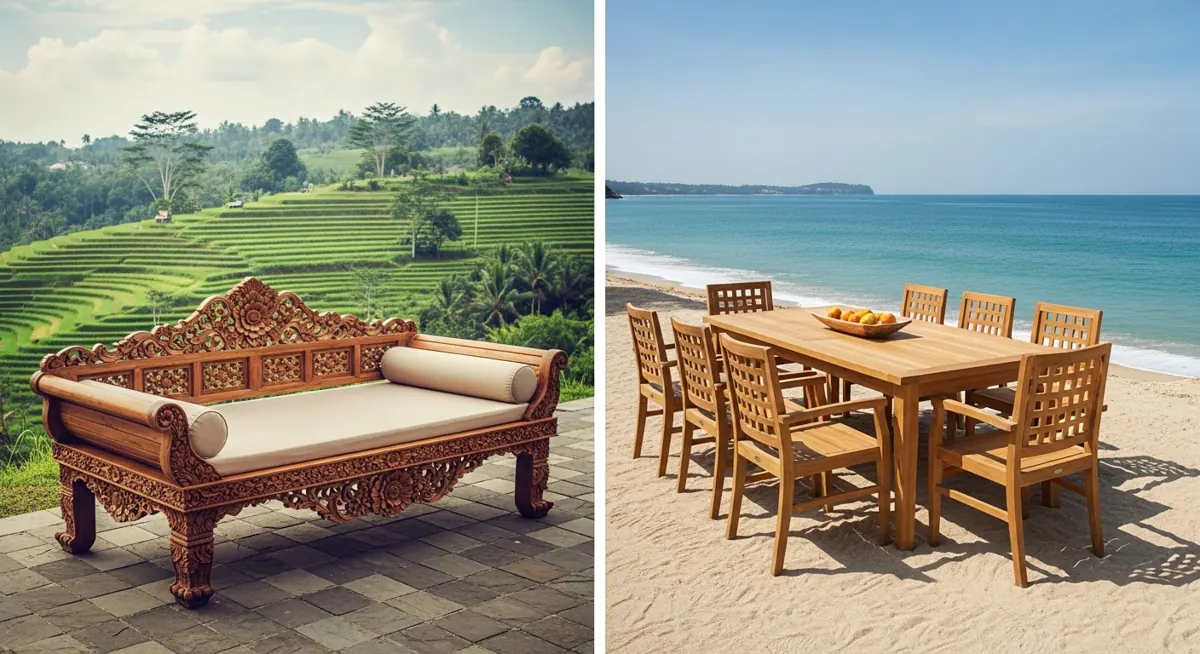
Indonesian furniture manufacturers typically establish their minimum order quantities (MOQs) based on the type of product and materials used. For solid-wood furniture, the MOQ generally ranges between 5 to 20 pieces per item. Woven or rattan furniture models often require a slightly higher MOQ, usually between 10 to 30 pieces per model or color. These figures are standard practice in the industry and ensure that production costs are efficiently managed. Moreover, Indonesia’s manufacturing hubs such as Jepara and Bali are renowned for their expertise in both traditional and contemporary designs, offering a wide selection for international buyers. For more detailed insights into the Bali furniture wholesale market, visit our dedicated page. When planning an order, it is essential to consider these MOQs to optimize shipping and production timelines.
Per-Container vs. Per-Item MOQ: A Practical Guide
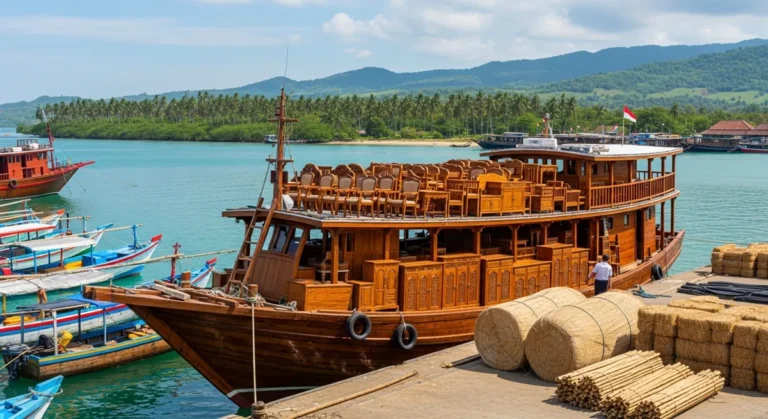
The minimum order quantity for a container is generally defined by its capacity. A 20ft container, for instance, can accommodate approximately 28 cubic meters (CBM) of furniture, making it the smallest viable shipment for export. This standard ensures that logistics are cost-effective while maintaining the quality and integrity of the products being shipped. For larger orders, a 40ft container holds about 58 CBM, while a 40ft High Cube (40HQ) can take up to 68 CBM. These specifications are crucial for buyers to understand as they plan their procurement strategies. It’s also important to note that bulky or upholstered items may fill a container by volume (cubic out) rather than weight. For a more detailed breakdown, refer to our container loading guide.
Mixed-Model Loads: Flexibility in Sourcing
One of the advantages of sourcing furniture from Indonesia is the flexibility in mixed-model loads. Buyers can combine different models and materials within a single container, provided each item meets its specific per-item MOQ and the overall load meets the minimum CBM requirements. This practice allows buyers to diversify their product offerings without committing to large quantities of a single item. Mixed loads are particularly advantageous for retailers and interior designers who require a variety of styles and materials to cater to diverse tastes. It also reduces the risk associated with high-volume purchases of a single product. For insights into importing strategies, see our guide on how to import furniture from Indonesia.
Material Choices and Their Impact on MOQ
Indonesia offers a rich variety of materials for furniture production, each with its own set of MOQ requirements. Solid teak and mahogany, primarily sourced from Jepara, are popular for their durability and aesthetic appeal. Reclaimed and recycled teak offer sustainable options without compromising on quality. Natural rattan and synthetic/PE all-weather rattan are ideal for both indoor and outdoor settings, providing versatility and style. Other materials include suar/acacia for live-edge designs, water hyacinth, seagrass, genuine leather, and stone/terrazzo tops. Each material type influences the MOQ due to its availability, production complexity, and market demand. For further details on material options, visit Indonesia’s official SVLK certification site.
Quality Control: Ensuring the Highest Standards
Quality control is a critical component in the furniture export process from Indonesia. Each piece undergoes rigorous checks to ensure it meets international standards and buyer specifications. Quality control teams inspect the raw materials for defects before production begins, ensuring only the highest quality inputs are used. During production, items are checked at various stages to ensure craftsmanship, structural integrity, and finish quality. Post-production, each item undergoes a final inspection to verify dimensions, functionality, and finish consistency. Buyers are encouraged to specify any additional quality control measures they require to align with their market needs. Detailed quality reports can be requested, and third-party inspections are available for added assurance.
Finishing Options: Customizing Your Order
The finishing process is vital for enhancing the aesthetic appeal and durability of furniture. Indonesian manufacturers offer a wide range of finishing options, from natural oils and waxes to high-gloss lacquers and paints. Buyers can choose from various colors, textures, and effects, including distressed and weathered finishes, to suit their market preferences. Custom finishes can be developed upon request, allowing for unique and tailored product offerings. The choice of finish not only affects the visual appeal but also the maintenance and longevity of the furniture. It is advisable for buyers to discuss finishing preferences during the quotation stage to ensure their specifications are met.
Shipping Logistics: Incoterms and Lead Times
Understanding Incoterms and shipping logistics is pivotal for international buyers. The most common term used is FOB (Free On Board), where the seller handles export clearance and loading at the Indonesian port, while the buyer is responsible for sea freight and insurance. Ports like Tanjung Perak in Surabaya, Tanjung Emas in Semarang, and Benoa in Bali are key export hubs. Production lead times typically range from 30 to 60 days, depending on order size and the complexity of the finish. Sea freight transit times vary, generally taking 3-5 weeks to reach the US, EU, and Australia, and shorter to the Middle East and Asia. Current schedules should always be confirmed with shipping companies.
Certification and Compliance: SVLK and Beyond
Indonesian furniture exports must comply with the SVLK (Sistem Verifikasi Legalitas Kayu) certification, a mandatory timber legality assurance system. This system ensures that all wood products are legally harvested and traceable, with consignments shipping with a V-Legal Document. The SVLK forms the basis of Indonesia’s FLEGT partnership with the EU, providing strong legality evidence under the EU Deforestation Regulation and the US Lacey Act. While SVLK ensures legality, some manufacturers may also offer FSC certification for added sustainability assurance. Buyers should verify certifications during their due diligence processes. For more information on SVLK, visit the official certification site.
Pricing and Payment Terms: What to Expect
Pricing for Indonesian furniture is not fixed and varies based on material, grade, specification, finish, volume, and Incoterm. Buyers are encouraged to request a quote to obtain specific pricing details. Payment terms typically require a deposit of approximately 30-50% via T/T (bank transfer) to commence production, with the balance due against a copy of the Bill of Lading. Terms may be negotiable for repeat buyers, providing flexibility and building long-term partnerships. To initiate a quote request, please contact us directly.
For detailed inquiries and to request a quote, please visit our contact page or reach out via WhatsApp at +62 811-3941-4563 or email at [email protected]. Let our experienced team guide you through the sourcing process.