Furniture Quality Control & Inspection in Indonesia
As an international wholesale buyer sourcing furniture from Indonesia, understanding the nuances of quality control can significantly impact your procurement strategy. With Indonesia’s rich tradition in furniture craftsmanship and rigorous export standards, ensuring each piece meets your expectations is crucial. From in-line checks to pre-shipment inspections, a detailed approach to quality control can safeguard your investment and enhance your product offerings.
In-Line Checks: The First Step in Quality Assurance

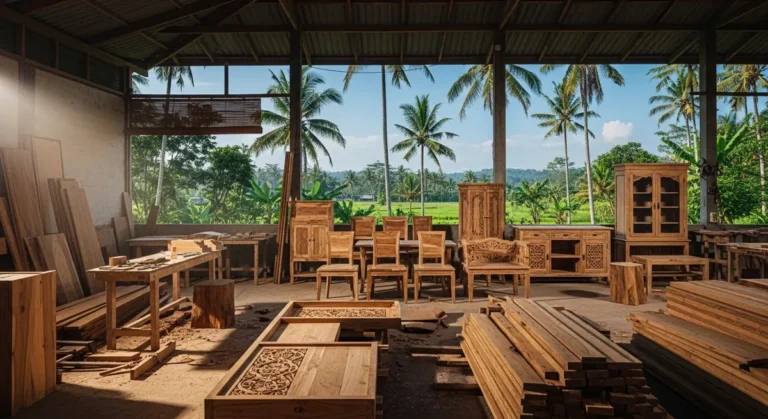
In-line checks are a fundamental aspect of maintaining quality during the manufacturing process. These checks occur at various production stages, ensuring that each component meets the required specifications before moving to the next phase. By incorporating in-line checks, manufacturers can identify and rectify defects early, reducing waste and ensuring consistency. For international buyers, this means receiving furniture that meets exacting standards, minimizing the risk of returns or customer dissatisfaction. In Indonesia, factories often implement in-line checks aligned with buyer specifications, especially in OEM/ODM arrangements where pre-production samples are crucial. These steps are essential for maintaining high-quality outputs in diverse materials like teak, mahogany, and rattan.
Moisture Content: Protecting Against Warping and Cracking
Controlling moisture content is vital in furniture production to prevent warping, cracking, and other defects caused by environmental fluctuations. In the humid climate of Indonesia, managing moisture levels is particularly important. The target moisture content for solid wood products, such as teak and mahogany, is typically around 8-12%, a range that balances durability with environmental adaptability. Factories utilize kilns and other drying technologies to achieve this, ensuring stability in the final product. By collaborating with Indonesian manufacturers who prioritize moisture control, buyers can secure furniture that withstands various climates, crucial for markets like the US, EU, and Australia.
Joinery Techniques: Ensuring Structural Integrity
Joinery is a critical component of furniture durability and aesthetics. In Indonesia, traditional and modern joinery techniques are employed to ensure each piece’s structural integrity. Techniques such as mortise and tenon, dovetail, and dowel joints are commonly used, especially in solid wood furniture like those crafted from Jepara’s renowned teak. The choice of joinery affects the furniture’s strength, appearance, and longevity. Buyers should specify their preferred techniques during the sourcing process, ensuring alignment with their quality expectations. Understanding these details can significantly impact the furniture’s performance and customer satisfaction in export markets.
Finishing: Enhancing Beauty and Durability
Finishing is the final touch that enhances furniture’s aesthetic appeal and protects it from wear and tear. Indonesian manufacturers offer a variety of finishes, from natural oils and waxes to advanced polyurethane coatings, catering to diverse buyer preferences. The finishing process also involves sanding, staining, and sealing, each step meticulously controlled to ensure uniformity and quality. For B2B buyers, selecting the right finish is crucial for meeting market demands and maintaining brand reputation. Additionally, finishes must comply with international safety standards, a consideration Indonesian factories are well-versed in, ensuring smooth export processes.
Pre-Shipment Inspection: Final Assurance Before Export
Pre-shipment inspections serve as the final quality control measure before furniture leaves the factory. These inspections verify that the products meet buyer specifications and international standards. Typically conducted by third-party inspectors or the buyer’s representatives, these checks cover aspects such as dimensions, finish, packaging, and compliance with SVLK certification. Ensuring that each shipment adheres to these standards helps mitigate risks associated with international trade, such as non-compliance with the EU Deforestation Regulation or the US Lacey Act. For buyers, this step is crucial in maintaining supply chain integrity and customer satisfaction.
Understanding SVLK Certification: Legal Timber Assurance
SVLK (Sistem Verifikasi Legalitas Kayu) is Indonesia’s mandatory timber legality assurance system, ensuring that all wood products are legally harvested and traceable. This certification is crucial for buyers concerned with environmental compliance and sustainability. SVLK provides strong legality evidence, supporting due diligence under regulations like the EU Deforestation Regulation and the US Lacey Act. While SVLK focuses on legality, factories may also offer FSC certification for additional sustainability assurance. Buyers should verify SVLK compliance as part of their sourcing strategy, ensuring that their purchases align with legal and ethical standards.
Logistics: Container Loading, Incoterms, and Lead Times
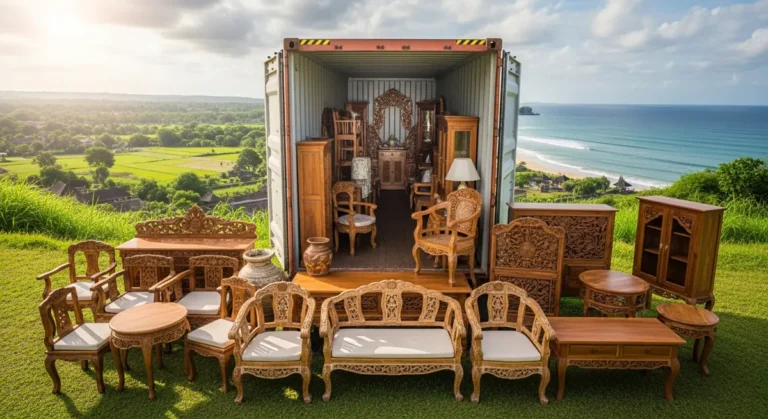
Efficient logistics are vital for successful international furniture trade. Understanding container capacities is essential for planning shipments: approximately 28 CBM for a 20ft, 58 CBM for a 40ft, and 68 CBM for a 40ft High Cube. Indonesian factories often facilitate mixed-model and mixed-material containers, provided the per-item MOQ is met. Common Incoterms include FOB, where the seller handles export clearance, and CIF, where additional costs are included. Typical production lead times range from 30-60 days, with sea freight taking approximately 3-5 weeks to major markets. Buyers should confirm schedules and terms for each order to optimize their supply chain.
Materials and Craftsmanship: A Tradition of Excellence
Indonesia is renowned for its diverse range of materials and expert craftsmanship. Buyers can choose from solid teak, mahogany, suar, rattan, and more, each offering unique qualities for different applications. Jepara is famous for its carved teak furniture, while Bali focuses on contemporary and outdoor designs. Factories offer OEM/ODM services, allowing customization to buyer specifications, with pre-production samples ensuring quality alignment. This flexibility, combined with Indonesia’s rich woodworking tradition, makes it an ideal sourcing destination for international wholesale buyers seeking distinctive, high-quality furniture.
Packaging Standards: Safeguarding Your Investment
Proper packaging is essential to protect furniture during transit, ensuring it arrives in pristine condition. Indonesian manufacturers adhere to strict packaging standards, often using a combination of foam inserts, corrugated boxes, and wooden crates for added protection. Each item is typically wrapped in protective materials to prevent scratches and damage. For sensitive or high-value items, additional measures such as corner protectors and moisture-resistant materials may be used. Buyers can request specific packaging requirements to align with their logistics strategy, ensuring that products are efficiently packed to maximize space while minimizing damage risks.
Quality Control: A Multi-Tiered Approach
Quality control in Indonesian furniture manufacturing involves multiple stages, from raw material selection to final inspection. Factories implement a tiered approach to quality management, often incorporating both manual and automated checks. Raw materials are inspected for defects and consistency, while production processes are monitored to maintain standards. Final product inspections involve detailed checks of dimensions, finish, and functionality. By employing a comprehensive QC system, manufacturers can ensure that each piece meets international standards and buyer specifications, reducing the likelihood of defects and enhancing customer satisfaction.
MOQ Tiers: Flexibility for Buyers
Minimum Order Quantity (MOQ) is a critical consideration for wholesale buyers. Indonesian manufacturers offer flexible MOQ tiers, accommodating both small and large orders. This flexibility allows buyers to test new designs or market segments with minimal risk. Smaller MOQs may be available for standard designs, while custom orders typically require higher quantities to justify production costs. Buyers should communicate their needs clearly to negotiate favorable terms, ensuring that the MOQ aligns with their business strategy and market demands.
For further assistance in sourcing quality Indonesian furniture, contact us to request a quote. We are committed to providing precise, reliable information tailored to your needs, ensuring a smooth procurement process.